






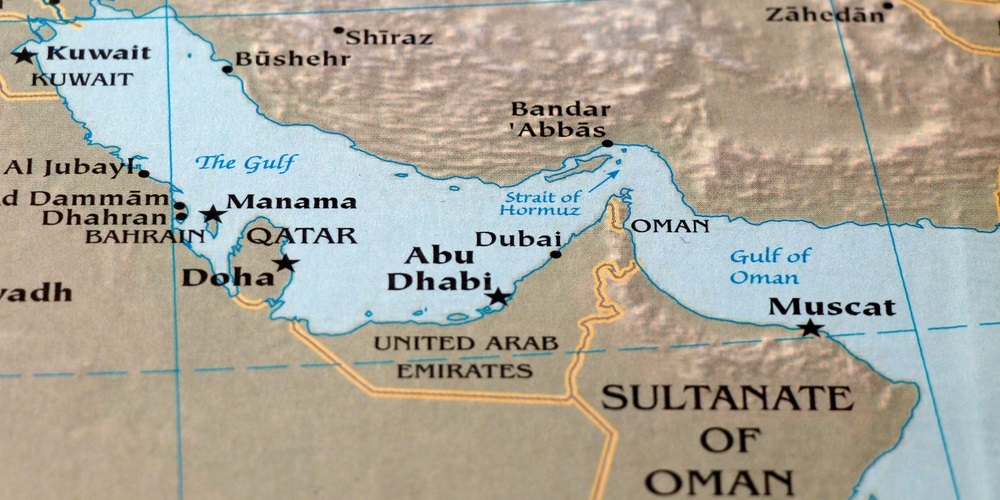
يتشكل مشروع سكة حديد مجلس التعاون الخليجي ليكون واحدًا من أكثر مشاريع البنية التحتية طموحًا في المنطقة — شبكة قطارات عالية السرعة بطول 2,117 كيلومترًا تهدف إلى ربط المدن الرئيسية عبر دول مجلس التعاون الخليجي الست. وبينما تُعد الرؤية جريئة، فإن تنفيذها يثبت أنه مهمة معقدة ومتعددة الجوانب.
ووفقًا لشركة SYSTRA، وهي خبير عالمي في حلول النقل ولاعب رئيسي في تطوير قطار الاتحاد، فإن أنظمة القطارات عالية السرعة العابرة للحدود تأتي مع طبقات من التعقيد اللوجستي والتقني والسياسي.
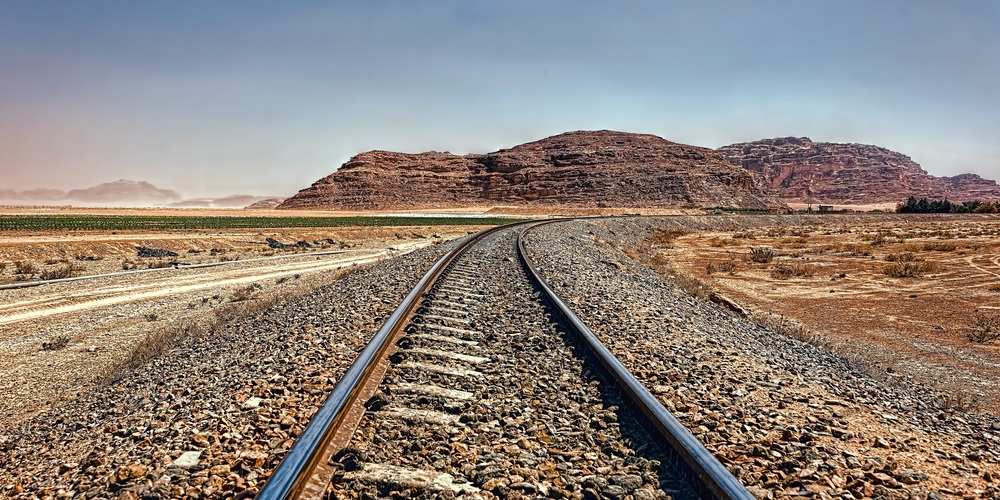
توفر شبكات القطارات عالية السرعة العديد من الفوائد — مثل تقليص وقت السفر، وتعزيز النمو الاقتصادي، والفوائد البيئية، وتعميق التكامل الإقليمي. ولكنها تواجه أيضًا تحديات كبيرة، خاصة عند عبور حدود عدة دول.
- لكل دولة قوانينها الخاصة فيما يتعلق بـالسلامة، والبيئة، وإمكانية الوصول، ويُعد توحيد هذه اللوائح أمرًا ضروريًا لضمان كفاءة التشغيل.
- يجب أن تكون هناك أنظمة فعالة لـالجمارك والهجرة لكل من الأشخاص والبضائع لتجنب التأخيرات.
- تختلف اللوائح الوطنية المتعلقة بالمشتريات، والتأمين، وتسوية النزاعات، مما يجعل تحقيق التناغم القانوني مهمة كبيرة.
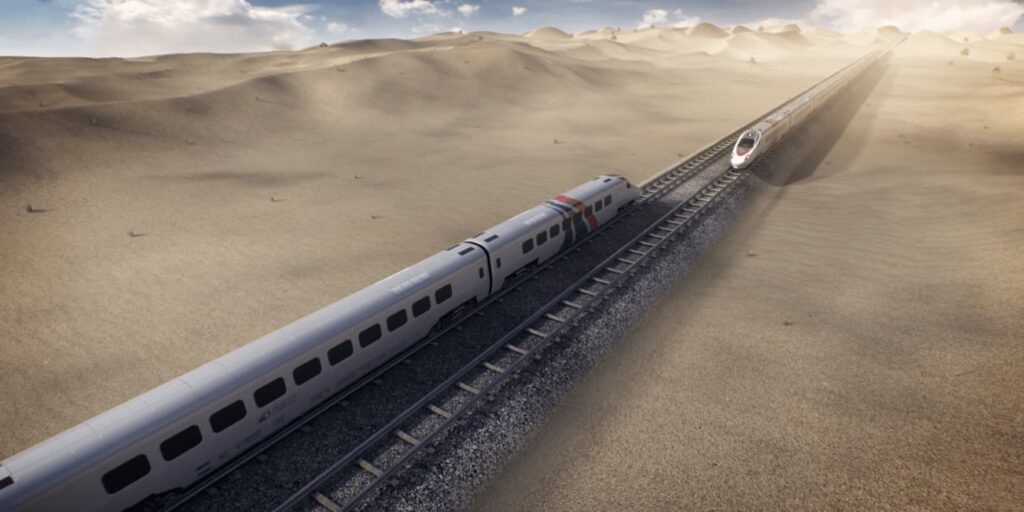
يجب على السكك الحديدية العابرة للحدود أيضًا أن تأخذ في الاعتبار التأثيرات البيئية والاجتماعية المحلية. ويتضمن ذلك:
- إجراء تقييمات الأثر البيئي والاجتماعي (ESIA) بما يتماشى مع الأطر القانونية لكل دولة.
- معالجة المخاوف العامة مثل استخدام الأراضي، والحفاظ على البيئة، ونقل المجتمعات.
- إشراك أصحاب المصلحة في وقت مبكر وبشكل مستمر من أجل تقليل الاضطرابات والمعارضة.
تعتمد المشاريع بهذا الحجم على دعم حكومي قوي لتوحيد الأولويات، وتأمين التمويل، وإبرام الاتفاقيات الثنائية والمتعددة الأطراف اللازمة. وبدون ذلك، يكون هناك خطر حقيقي من التأخير أو الفشل، كما حدث في مشاريع سكك الحديد الدولية السابقة مثل مشروع ليون–تورينو ومشروع كوالالمبور–سنغافورة.
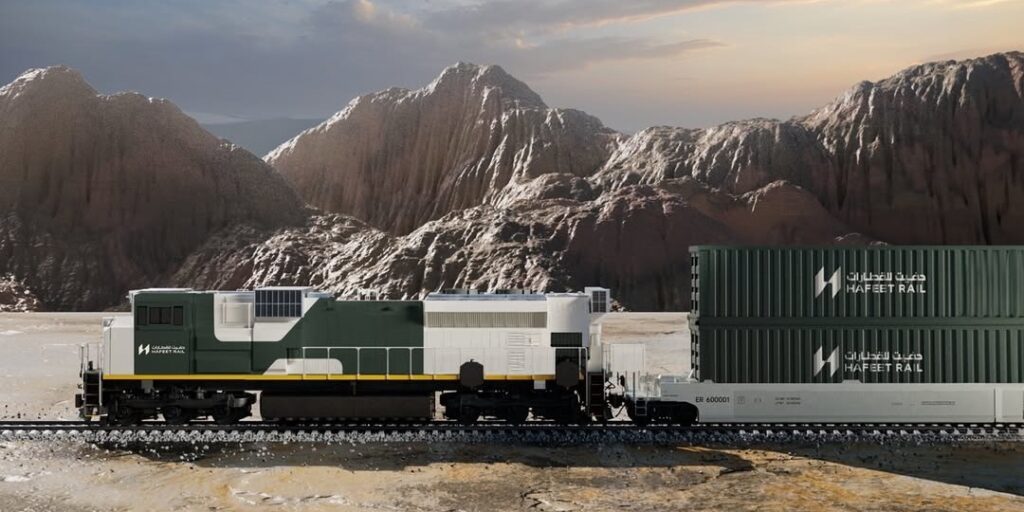
في خطوة كبيرة إلى الأمام، بدأ رسميًا العمل في مشروع قطار حفيت، وهو خط السكك الحديدية الذي يربط بين أبوظبي وصُحار في سلطنة عُمان. يُشكل هذا الجزء عنصرًا أساسيًا في شبكة سكة حديد مجلس التعاون الخليجي ويعكس الزخم المتزايد خلف هذا المشروع الإقليمي.
ومع استمرار التطوير، ستكون السنوات القليلة القادمة حاسمة لمعالجة التحديات الفنية والسياسية — ولتقريب رؤية خليج مترابط بسلاسة من الواقع.