






عندما يتصاعد القلق، قد يكون من الصعب معرفة كيف يمكن إيقافه. يبدأ العقل بالتسارع ويشعر الجسم بالتوتر. في لحظات كهذه، أحد أكثر الأمور فائدة التي يمكنك القيام بها هو تحريك جسمك، حتى ولو قليلًا. وهناك تفسير علمي لذلك.
عندما نشعر بالقلق، يقوم الجسم بشكل طبيعي بتفعيل استجابة التوتر. وغالبًا ما يفسّر الدماغ والجهاز العصبي إشارات القلق على أنها علامة خطر، حتى عندما لا يكون هناك تهديد فوري. ونتيجة لذلك، يستعد الجسم للتفاعل: قد يتسارع نبض القلب، وقد يصبح التنفس سطحيًا، وقد تشتد العضلات.
فكيف تساعد الحركة على كسر هذه الحلقة؟ عندما تتحرك بإيقاع هادئ وثابت، يتلقى الدماغ إشارات بأنك نشيط وفي أمان بدلًا من أن تكون عالقًا في موقف مُجهد.

حتى المشي القصير يمكن أن يهدئ القلق: العلم يشرح السبب
لا تحتاج إلى تمرين طويل لتبدأ بالشعور بالفوائد. حتى عشر دقائق من الحركة يمكن أن تغيّر شعور جسمك وعقلك:
- المشي يفعّل الجهاز العصبي نظير الودي، الذي يدعم الراحة والتعافي. ونتيجة لذلك، قد يتباطأ معدل ضربات القلب ويبدأ الجسم بالاسترخاء.
- النشاط البدني يشجّع الدماغ على إفراز مواد كيميائية تدعم التوازن العاطفي. ومن بينها الإندورفين والسيروتونين، اللذان يرتبطان غالبًا بتحسّن المزاج والشعور بالرفاهية.
- الإيقاع المنتظم لخطواتك، إلى جانب المشاهد والأصوات من حولك، يمكن أن يعيد تركيزك إلى اللحظة الحالية بدل البقاء عالقًا في الأفكار المقلقة.
- المشي يشجّع نمط تنفّس أكثر استقرارًا.
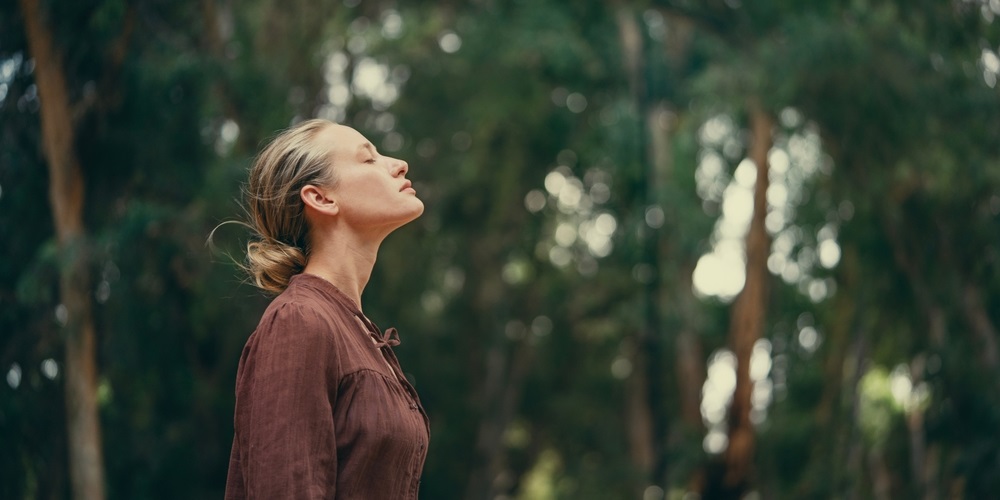
وإذا كان المشي في الخارج، فقد يكون التأثير أقوى. فالمحيط الطبيعي، والهواء النقي، والمساحات المفتوحة يمكن أن تساعد على تحويل الانتباه وتهدئة الذهن.

ربما سمعت أيضًا بعبارة “المس العشب”. وهي عبارة شائعة بين جيل زد، وتعني الابتعاد عن الشاشات وقضاء بعض الوقت في الخارج في العالم الحقيقي. كما أن أخذ استراحة من تدفّق المعلومات عبر الإنترنت يمكن أن يساعد على تهدئة الذهن. وإذا كنت تشعر بالإرهاق بسبب كثرة المعلومات، فقد تجد من المفيد أيضًا قراءة كيف تتابع الأخبار دون أن تستهلكك.
حتى نزهة قصيرة في شارع هادئ أو حديقة يمكن أن تمنحك إعادة ضبط ذهنية بسيطة. كما أن الحركة المنتظمة تعلّم جسمك أن التوتر يمكن أن يمرّ عبرك بدلًا من أن يبقى عالقًا. في كل مرة تخرج فيها للمشي، أو تتمدد، أو تغيّر وضعية جلوسك عندما تشعر بالقلق، فأنت تعزّز رسالة إلى جهازك العصبي: التوتر يمكن أن يرتفع وينخفض، وجسمك يعرف كيف يعود إلى التوازن.
وإذا لم يكن الخروج من المنزل ممكنًا دائمًا، فإن الحركات الصغيرة في المنزل يمكن أن تكون فعّالة أيضًا. فـاليوغا اللطيفة، وتمارين التمدد، أو حتى رقصة قصيرة مع أطفالك يمكن أن تساعد في تخفيف التوتر وتحسين المزاج. وإذا كنت تبحث عن أفكار، يمكنك استكشاف 12 نشاطًا سهلًا يمكن القيام بها في المنزل، بدءًا من تمارين التمدد المهدئة واليوغا، وصولًا إلى طرق ممتعة تجعل الجميع يتحركون معًا.