







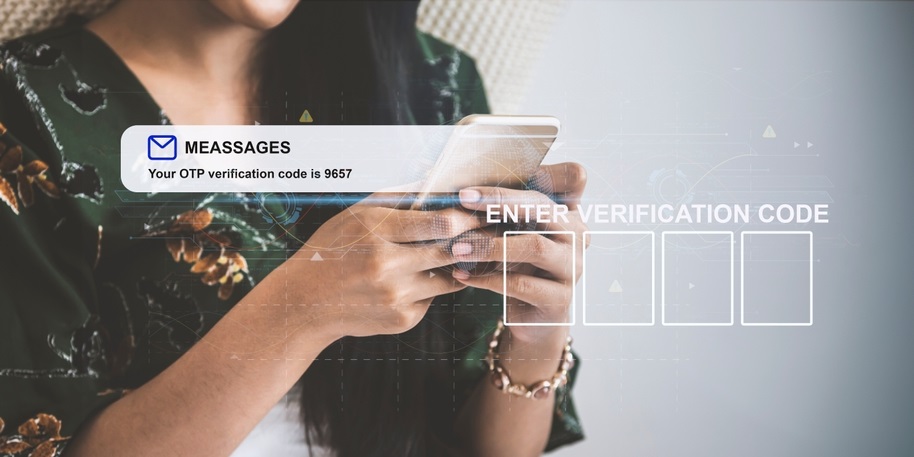
ابتداءً من يوم الجمعة، 25 يوليو، ستبدأ البنوك في دولة الإمارات العربية المتحدة بالتخلص التدريجي من كلمات المرور لمرة واحدة (OTP) التي يتم إرسالها حالياً عبر الرسائل النصية والبريد الإلكتروني. ويأتي هذا التغيير كجزء من تحديث أمني تدريجي تقوده مصرف الإمارات العربية المتحدة المركزي (CBUAE).
OTP هي رموز أمان قصيرة تُرسل إلى هاتفك أو بريدك الإلكتروني. وتُستخدم للموافقة على عمليات الدفع عبر الإنترنت، مثل التسوق أو المعاملات باستخدام رمز QR عند تناول الطعام خارج المنزل. لن يحدث هذا التغيير بشكل فوري — بل سيتم بشكل تدريجي، ومن المتوقع الانتهاء منه بحلول مارس 2026 في جميع البنوك في الدولة.

لكن النظام المصرفي في الإمارات يتجه نحو مصادقة أقوى تعتمد على التطبيقات. وبدلاً من إدخال رمز من رسالة، سيستخدم العملاء الآن تطبيق الهاتف المحمول الخاص بالبنك للموافقة على المعاملات.
ما الذي سيتغير لعملاء البنوك في الإمارات ابتداءً من 25 يوليو:
- عدد أقل من الرسائل النصية والبريد الإلكتروني. لن تحتاج بعد الآن لانتظار رموز OTP لتصل إلى صندوق الوارد أو الرسائل.
- تحديث التطبيقات مطلوب. تحث البنوك العملاء على تحديث تطبيقاتهم المصرفية لدعم هذه الميزة الجديدة.
- عملية جديدة. ستقوم الآن باختيار “المصادقة عبر التطبيق” داخل تطبيق البنك لتأكيد الدفع.
- الوصول إلى الهاتف أمر ضروري. يجب أن يكون هاتفك معك ومشحوناً — خاصة عند الدفع رقمياً في أماكن مثل دبي.

قال متحدث باسم مصرف الإمارات العربية المتحدة المركزي إن الطريقة الجديدة ستجعل المعاملات أكثر سلاسة وأماناً. ويُنصح العملاء بالاعتياد على اختيار المصادقة داخل التطبيق كخيار افتراضي.
مع بدء تنفيذ هذا التحديث، ستواصل البنوك دعم العملاء من خلال التذكيرات وتحسينات التطبيقات. إذا لم تفعل ذلك بعد، فهذا هو الوقت المناسب للتحقق من إعدادات التطبيق والتعرف على كيفية تعامل البنك مع الأمان عبر التطبيقات.
المدفوعات الرقمية أصبحت أكثر شيوعاً في جميع أنحاء الإمارات — خاصة في دبي، حيث إن الهدف هو أن تصبح خالية تماماً من النقد بحلول عام 2026.