








أحيانًا يلاحظ الأطفال الأمور قبل أن نقول أي كلمة. وحتى إذا لم يفهموا تمامًا ما يحدث، فإن الأطفال بارعون جدًا في الشعور عندما يبدو أن شيئًا ما مختلف. وغالبًا ما يشير علماء النفس إلى أن الأطفال يلتقطون الإشارات العاطفية من البالغين من حولهم. فإذا بدا الوالدان قلقين جدًا، أو كانوا يتابعون التحديثات باستمرار، أو يتحدثون بنبرة قلقة، فقد يبدأ الأطفال بالشعور بعدم الارتياح حتى لو لم يعرفوا السبب.
وعندما تحدث أحداث كبيرة أو مقلقة، يتساءل الكثير من الآباء كم يجب أن يقولوا وكيف يقولونه. والهدف ليس إخفاء العالم عن الأطفال تمامًا، بل مساعدتهم على الشعور بالأمان والدعم، وأن يكونوا قادرين على طرح الأسئلة.
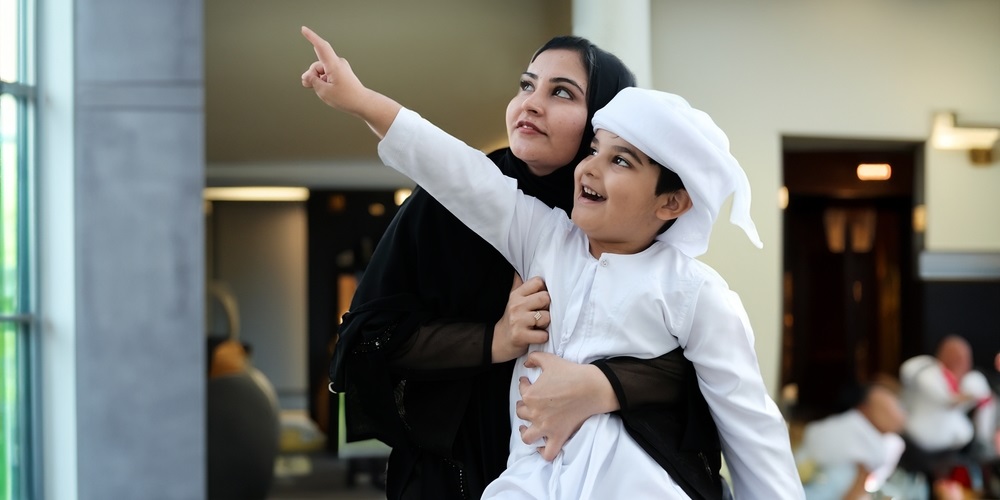
عندما يطرح الأطفال شيئًا سمعوه أو لاحظوه، فإن الخطوة الأولى هي الاستماع فقط. دعهم يتحدثون بحرية قبل الرد. فالاستماع يساعدك على فهم ما يعرفونه بالفعل وما الذي قد يقلقهم.
1. اجعل الشرح بسيطًا ومناسبًا للعمر
لا يحتاج الأطفال إلى كل تفاصيل ما يحدث. في الواقع، قد يجعل الكثير من المعلومات الأمور أكثر إرباكًا أحيانًا.
- الشرح البسيط يكون كافيًا في العادة.
- الإجابات القصيرة والواضحة غالبًا ما تكون أكثر راحة من الشروحات الطويلة.
على سبيل المثال، يمكنك أن تقول إن الأحداث الصعبة تحدث أحيانًا في العالم، وأن الكبار يتابعون الأخبار لفهم ما يجري.

2. طمئنهم بشأن الأمان
أحد أكثر المخاوف شيوعًا لدى الأطفال هو ما إذا كان شيء سيئ قد يحدث لهم أو لعائلتهم. ذكّرهم بأن هناك الكثير من الأشخاص الذين يعملون كل يوم للحفاظ على أمان المجتمعات.
الشعور بالحماية والرعاية هو ما يساعد الأطفال على تنظيم مشاعرهم.
3. حدّ من التعرض المفرط للأخبار
اليوم، الأخبار موجودة في كل مكان. الهواتف، والتلفزيون، ووسائل التواصل الاجتماعي، وحتى الأحاديث اليومية قد تجعل من السهل على الأطفال سماع العناوين المقلقة نفسها بشكل متكرر. والتعرض المستمر يمكن أن يجعل الأحداث تبدو أكبر وأقرب مما هي عليه في الواقع، حتى بالنسبة للبالغين.
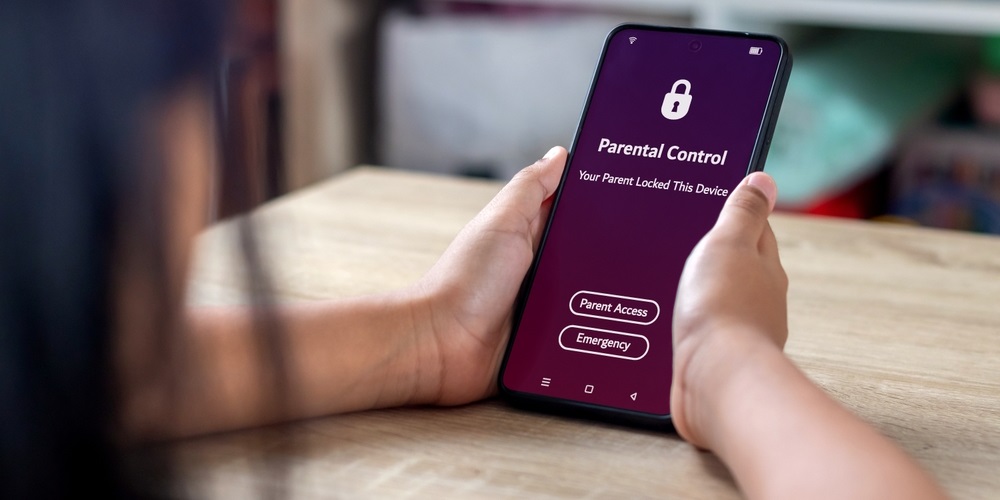
إذا كنت تشعر بالإرهاق من متابعة الأخبار والتحديثات المستمرة، فقد تجد من المفيد أيضًا قراءة كيف تتابع الأخبار دون أن تسيطر عليك، والتي تقدم طرقًا بسيطة للبقاء على اطلاع مع الحفاظ على مساحتك الذهنية.
4. حافظ على استقرار الروتين اليومي
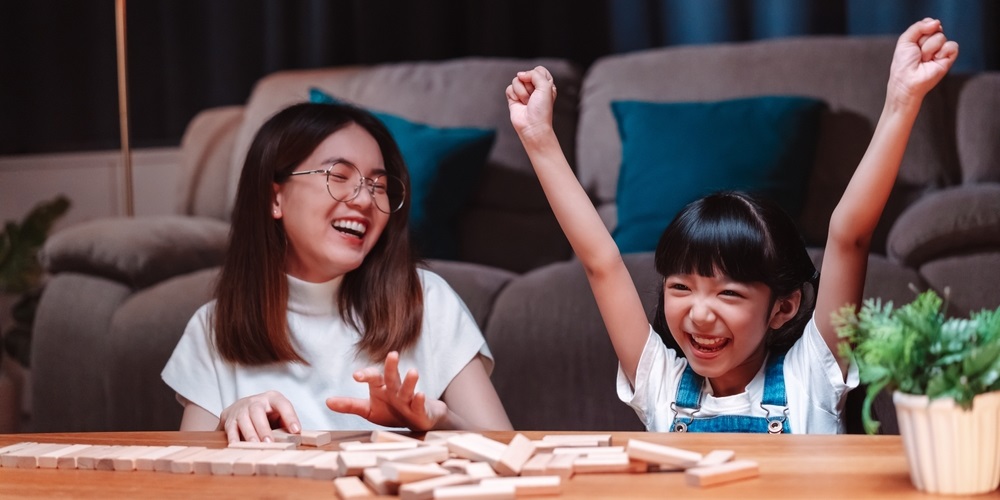
يجد الأطفال الراحة في الأنماط المألوفة. فالواجبات المدرسية، ووقت اللعب، وقصص ما قبل النوم، ووجبات العائلة، والطقوس اليومية الصغيرة تخلق شعورًا بالحياة الطبيعية. وحتى الأنشطة البسيطة مثل لعب لعبة لوحية، أو الطهي معًا، أو الخروج في نزهة يمكن أن تساعد الأطفال على الشعور بأن عالمهم ما زال متوقعًا وآمنًا.
وإذا كنت تبحث عن طرق لطيفة لقضاء الوقت معًا في المنزل، يمكنك استكشاف 12 نشاطًا سهلًا للقيام به في المنزل لجميع أفراد العائلة أو 27 من أفضل ألعاب الطاولة والبطاقات لليلة عائلية ممتعة بدون شاشات.
5. دع المحادثة تبقى مفتوحة
نادرًا ما يستوعب الأطفال المعلومات كلها دفعة واحدة. قد يعودون بأسئلة جديدة بعد ساعات أو حتى أيام. أخبرهم أنه يمكنهم دائمًا السؤال.
لا يستطيع الأطفال التحكم بما يحدث في العالم الأوسع، لكنهم يشعرون بطمأنينة كبيرة من البيئة المحيطة بهم. وفي كثير من الأحيان، لا يكتفي الأطفال بالاستماع إلى ما يقوله والدوهم، بل يراقبون أيضًا كيف يتصرف الكبار. وعندما يُظهر الوالدان الهدوء والثبات، يتعلم الأطفال أن اللحظات الصعبة يمكن مواجهتها معًا.