







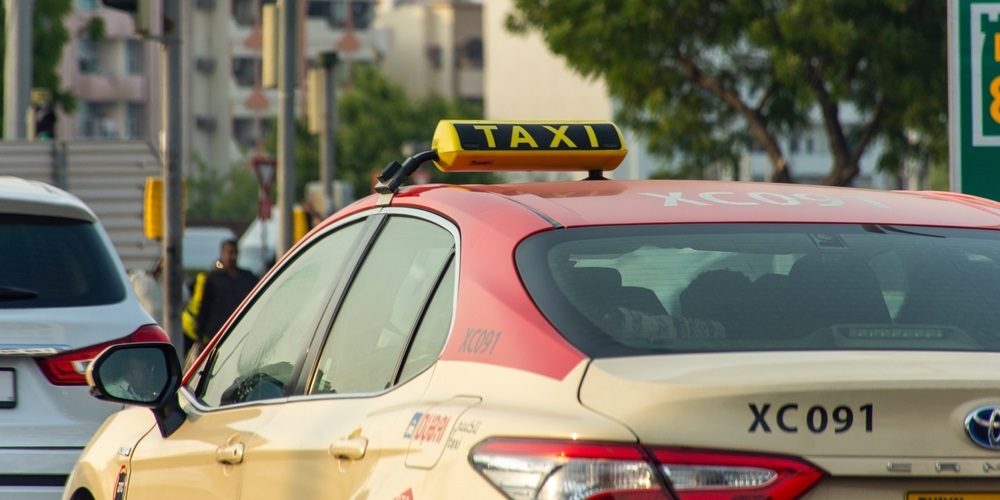
Dubai is gearing up to make self-driving taxis a reality by the first quarter of 2026, and the move could transform the way the city gets around. As plans continue to unfold, fleet operators like Dubai Taxi Company (DTC) are already looking ahead to the operational and financial benefits of autonomous electric vehicles.
One major innovation behind this rollout is swappable battery technology. Rather than spending time plugged into a charger, these autonomous taxis will be able to head to a station, swap out their depleted battery, and be back on the road in minutes. This drastically reduces downtime and keeps vehicles available around the clock.
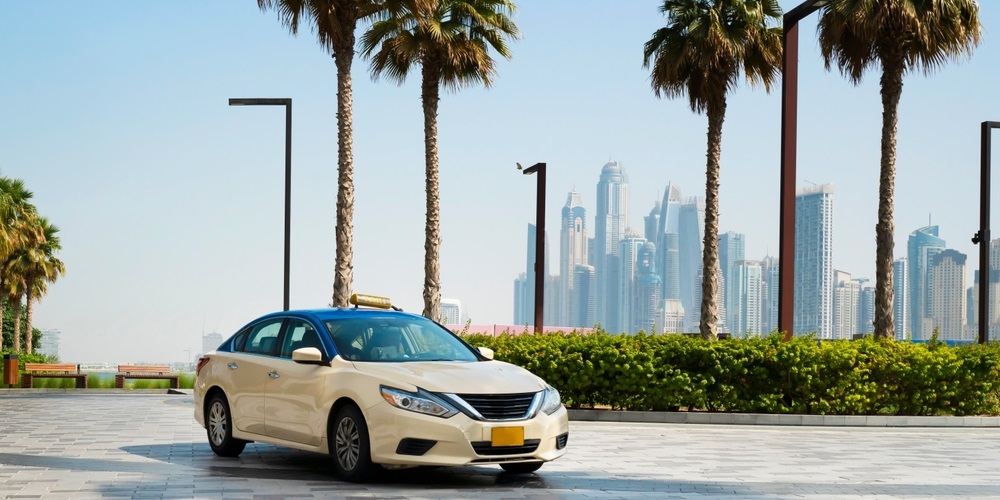
Another key advantage? These taxis won’t have drivers. Without the need for rest breaks or shift changes, vehicles can operate nearly 24/7, drastically improving fleet efficiency.
The shift to electric and autonomous technology also brings down fuel and operational costs. While the up-front investment in EV infrastructure and smart systems is significant, the long-term savings are expected to be substantial — especially in a high-demand, high-traffic city like Dubai.
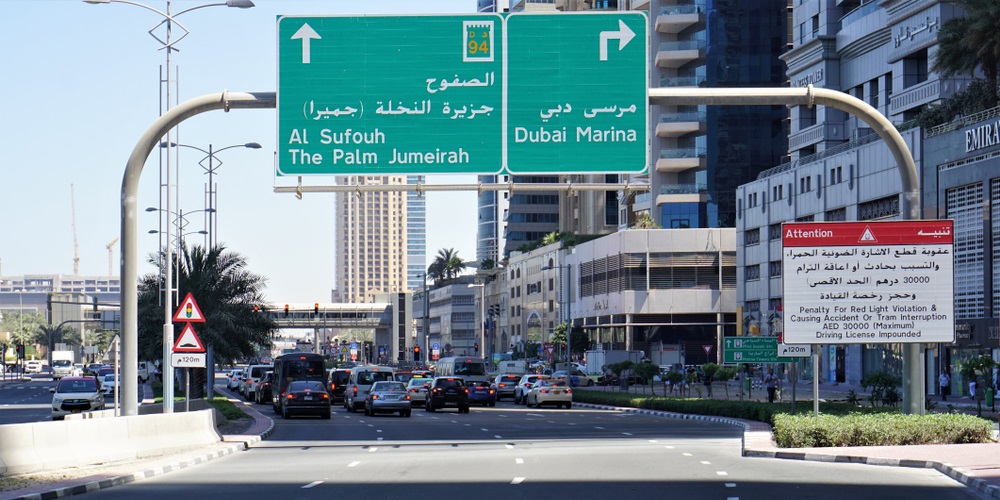
Dubai Taxi Company isn’t going it alone. The Roads and Transport Authority (RTA) has already signed partnerships with international players, including Baidu’s Apollo Go, Uber, and WeRide, to bring autonomous ride-hailing services to the city.
Although specific fleet sizes haven’t been confirmed yet, the first batch of driverless vehicles is expected to hit the streets in Q1 2026. DTC will be one of the operators leading the trial phase, ahead of wider deployment across the emirate.