





If you’ve been there, done that with Europe’s cobbled streets or Southeast Asia’s tropical buzz, it’s time to look east, Central Asia is calling. Kazakhstan, Kyrgyzstan, and Uzbekistan aren’t just dots on the Silk Road map; they’re the best countries to visit in central Asia. Trio of wonderlands packed with awe-inspiring mountains, ancient cities, warm hospitality, and wildly underrated cuisine.
For travelers from the Gulf region, these countries offer a refreshing escape, mild summer weather in the mountains, visa-free or easy visa-on-arrival access, and rich Islamic heritage blended with nomadic traditions. But even if you’re not from the GCC, you’re in for something truly special. Imagine exploring blue-domed madrasas, sipping fermented mare’s milk with shepherds (yes, really), or snapping selfies in a canyon that looks like a scene from Mars.
Whether you’re chasing cultural gems, nature escapes, or simply want a unique stamp in your passport, this guide will take you through everything you need to know, by country, by experience, and by vibe. Ready to discover a side of the world most people still haven’t caught onto? Let’s go!
Kazakhstan
Why Visit Kazakhstan?
Kazakhstan is the ninth largest country in the world, yet it’s one of the least explored—and that’s exactly the magic. Think futuristic cities rising from the steppe, serene alpine lakes hidden in the mountains, and wide-open landscapes where you feel like you’ve stepped into another planet (hello, Charyn Canyon).
For GCC travelers, it’s the ultimate summer escape with cooler temperatures, affordable luxury, and visa-free entry for most nationalities. Whether you’re strolling cosmopolitan Almaty, adventuring through the wild Tien Shan range, or hunting Soviet architecture in Nur-Sultan, Kazakhstan serves up a refreshing contrast to city life.
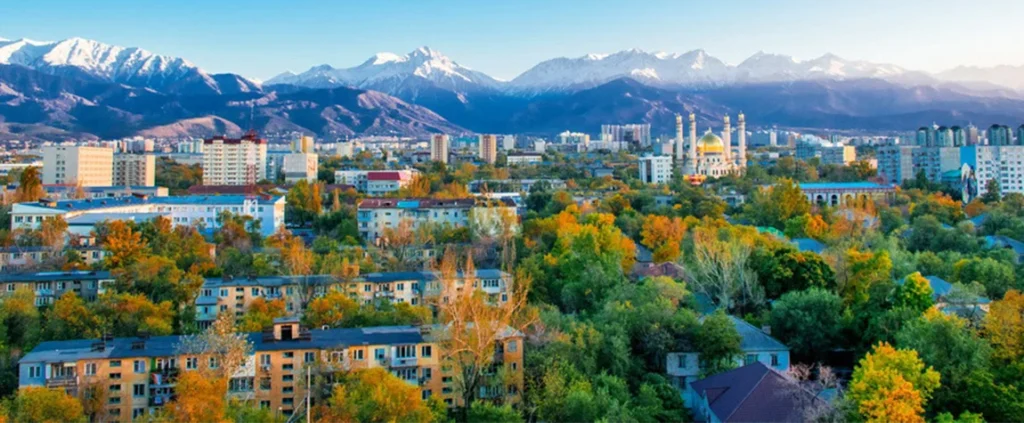
Best Places to Visit in Kazakhstan
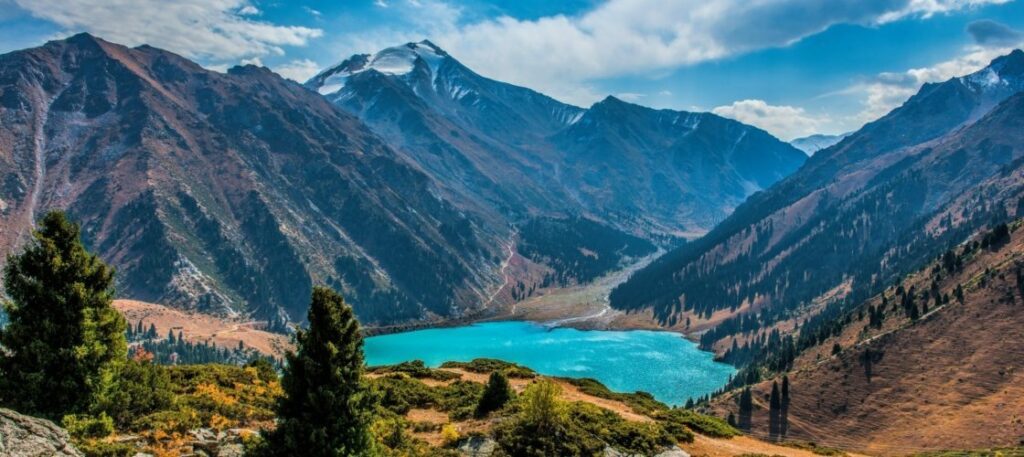
- Almaty: The heart and soul of Kazakhstan, Almaty is where leafy boulevards meet snow-capped peaks. Start your mornings with coffee in chic cafés, then head to Kok-Tobe Hill for sweeping views. Don’t miss Big Almaty Lake, a turquoise gem nestled in the mountains, and the quirky Green Bazaar for local snacks and colorful chaos.
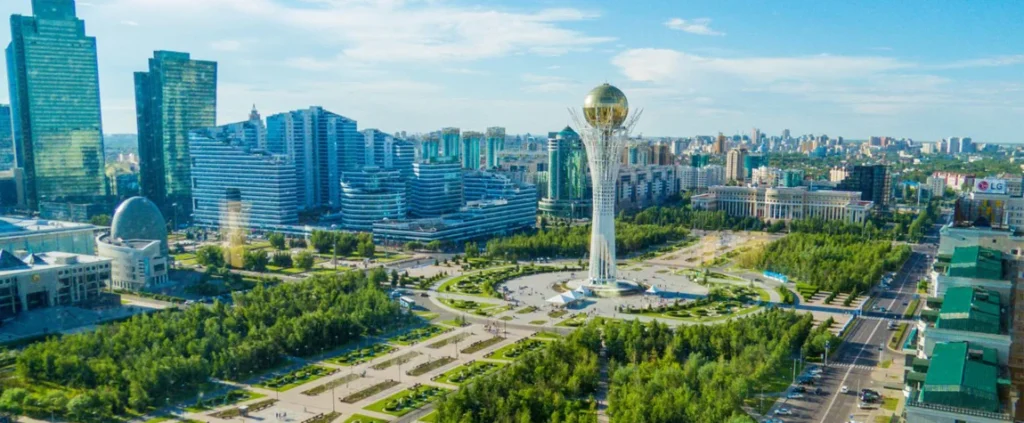
- Nur-Sultan (Astana): Kazakhstan’s capital is what happens when you give an architect a blank canvas and a futuristic vision. Expect gravity-defying buildings like the Bayterek Tower, Khan Shatyr (a shopping mall inside a giant tent), and the Hazret Sultan Mosque. It’s part sci-fi movie, part national pride.
- Charyn Canyon: Nature’s masterpiece. Often called the “Grand Canyon’s little cousin,” this rugged red-rock wonder is just a few hours from Almaty. Perfect for day trips, hiking, or dramatic Insta shots.
- Shymbulak & Medeu: A snowy paradise just outside Almaty, Shymbulak is a world-class ski resort, while Medeu boasts the highest skating rink in the world. In summer, these areas turn into lush hiking trails and cable car adventures.
Did You Know? Kazakhstan’s Charyn Canyon is so surreal, NASA once used nearby terrain for Mars rover testing simulations.
Local Food & Must-Try Dishes
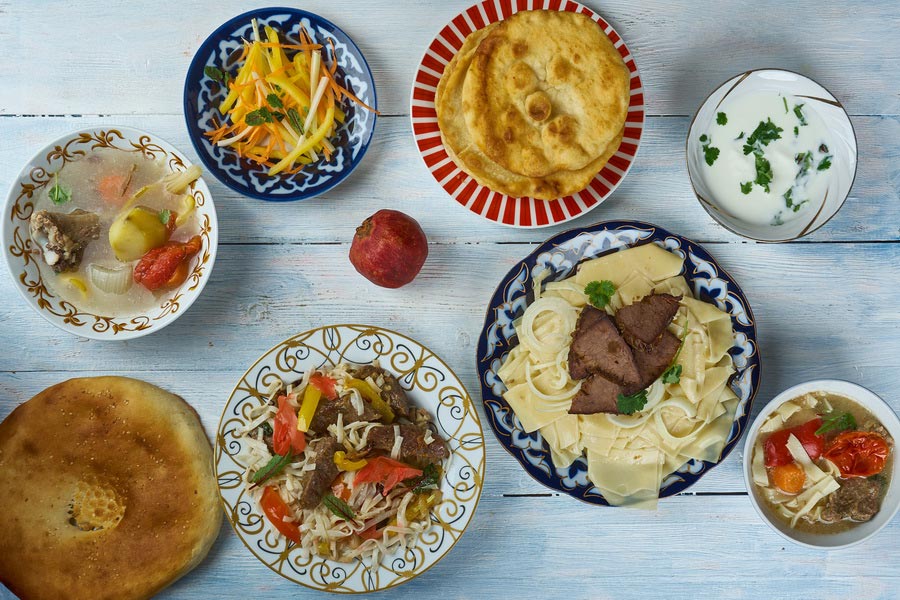
Kazakh cuisine is a celebration of the country’s nomadic heritage, bold, filling, and meant to warm you from the inside out. The national dish, beshbarmak, is a flavorful mix of boiled meat (usually lamb or beef) served atop wide noodles and soaked in a rich onion broth. Traditionally eaten by hand, it literally means “five fingers” in Kazakh. Another signature delicacy is kazy, a spiced sausage made from horse meat, don’t be surprised if it’s served during special occasions, as it holds deep cultural value.
For something more familiar but equally hearty, lagman is a savory noodle stew full of stir-fried vegetables and chunks of beef. And no Kazakh table is complete without a plate of baursak, golden puffs of fried dough that sit somewhere between a donut and a bread roll, sweet, fluffy, and utterly addictive. If you’re feeling adventurous, you might sip on kumis, a fizzy, fermented drink made from mare’s milk. Its taste is sharp and tangy, but it’s cherished by locals as both a tradition and a health tonic.
Cultural Etiquette & Traditions
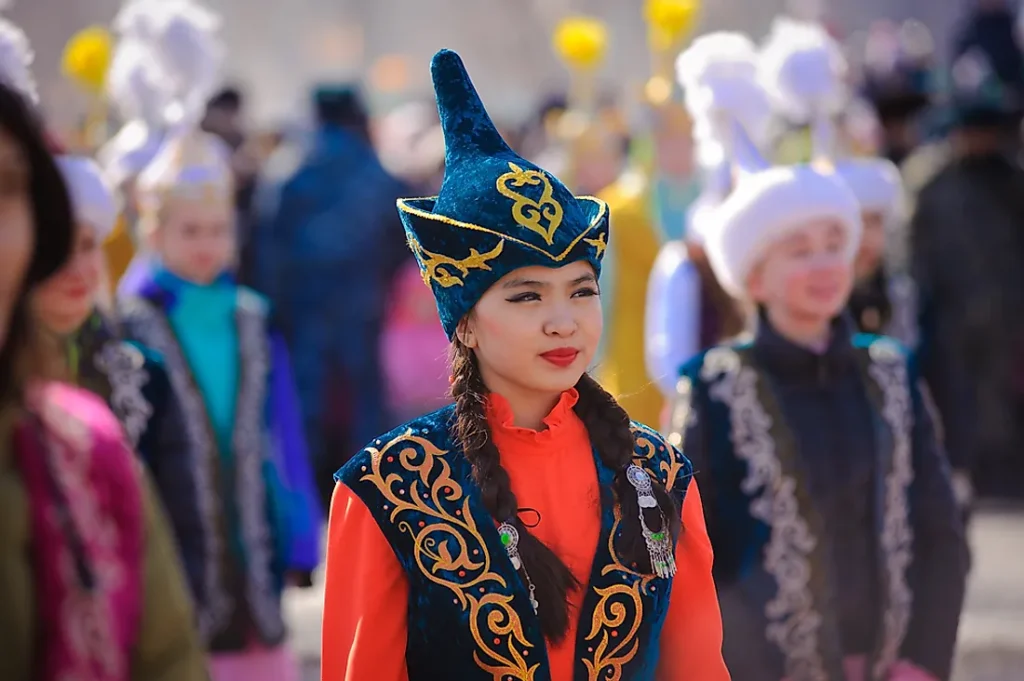
Hospitality is everything: Kazakh culture places strong emphasis on welcoming guests warmly. Expect to be offered tea or sweets, even during casual visits.
Shoes off indoors: When entering a local’s home, it’s customary to remove your shoes as a sign of respect.
Respect for elders: Always greet older individuals first—it’s a valued cultural gesture.
Modest dress is appreciated: Especially in rural areas, dressing conservatively is respectful and will help you blend in.
GCC-friendly etiquette: Gulf travelers will find many familiar customs around hospitality, dress, and social respect.
Islamic influence: While Kazakhstan is a secular nation, Islamic holidays are observed, and halal food is widely available in restaurants.
Visa Info for GCC Travelers & Worldwide Visitors
Kazakhstan is refreshingly visa-friendly, making it a great pick for spontaneous adventurers and first-time visitors to Central Asia.
For GCC nationals, including citizens of the UAE, Saudi Arabia, Qatar, Kuwait, Bahrain, and Oman, Kazakhstan offers visa-free entry for up to 30 days. You’ll just need a passport valid for at least 6 months and a return ticket. Simple, smooth, and stamp-worthy.
Residents of the GCC who hold passports from countries like India, Pakistan, the Philippines, or Egypt should check if their nationality qualifies for Kazakhstan’s e-Visa system. Many do, and the process is quick, usually done entirely online within 5–7 working days.
For other international travelers, Kazakhstan allows visa-free access for over 80 countries, including the EU, UK, Canada, Australia, and much of Asia. If your country isn’t on the visa-free list, applying for an e-Visa is your best bet, it’s valid for tourism, business, or medical purposes and requires just an invitation from a registered travel agency or hotel.
Pro tip: You must enter through specific international airports (like Almaty or Nur-Sultan) when using the e-Visa, so double-check your entry point before booking.
Getting Around & Travel Tips
- City Transport: Use ride-hailing apps like Yandex Go and inDrive for safe, cheap, and convenient rides in cities like Almaty and Nur-Sultan. They’re reliable and work just like Uber.
- Taxis: Widely available, but if you hail one on the street, agree on the price before you get in.
- Domestic Flights: Because Kazakhstan is vast, flying is the fastest way to get between major cities. Airlines like Air Astana and SCAT Airlines operate frequent and affordable routes.
- Trains: For a more scenic (and cultural) journey, try overnight sleeper trains, they’re clean, safe, and affordable. Popular for routes like Almaty to Shymkent or Nur-Sultan.
- Language: Russian and Kazakh are the main languages. English is limited, especially outside big cities. Use translation apps for smoother communication.
- Currency: The local currency is Kazakhstani Tenge (KZT). Cards are widely accepted in cities, but cash is essential for bazaars, rural shops, and some taxis.
- Food: Halal food is easy to find, look for signs or simply ask. Most malls, food courts, and restaurants in Almaty and Nur-Sultan offer halal-friendly options.
- Travel Tip: Always carry a copy of your passport, especially during intercity travel or if exploring less touristy areas.
Kyrgyzstan
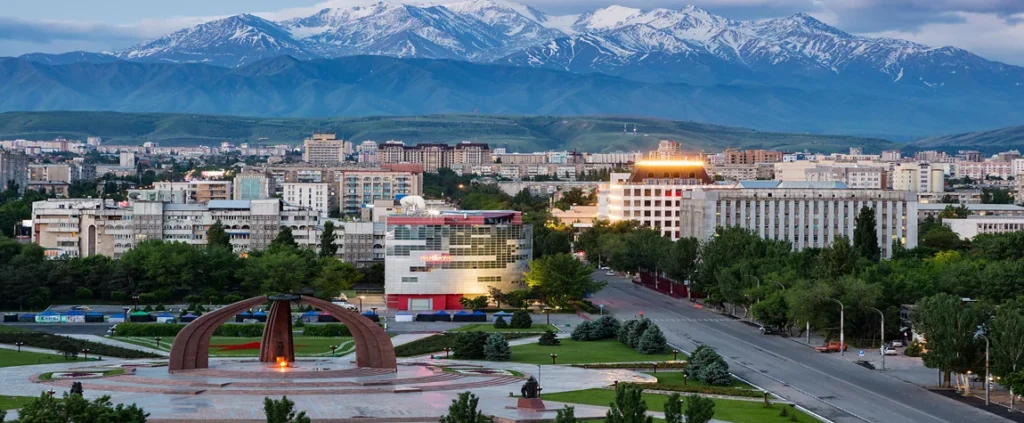
Why Visit Kyrgyzstan?
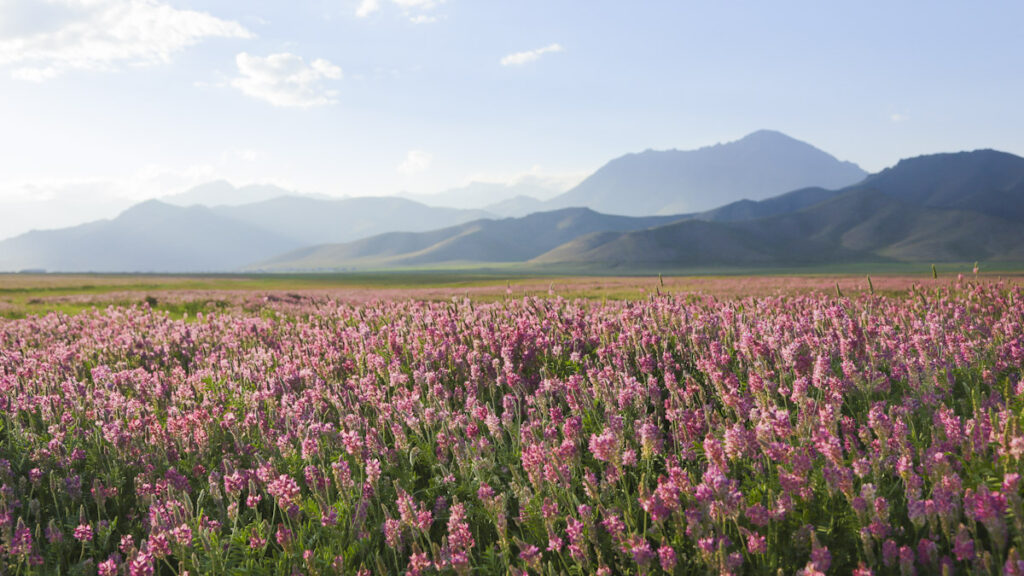
If your soul craves dramatic landscapes, untouched nature, and raw adventure, Kyrgyzstan is your paradise. This Central Asian gem is where turquoise lakes shimmer beneath snowy peaks, horses roam free, and the pace of life slows to the rhythm of nomadic tradition. Whether you’re sleeping in a yurt under the stars, hiking through the Tien Shan mountains, or sipping tea in a bustling bazaar, Kyrgyzstan offers a rare kind of peace that feels worlds away.
For GCC travelers, it’s a dream escape, visa-free, incredibly affordable, and brimming with halal-friendly local cuisine. It’s also a refreshing destination for summer holidays, with cooler mountain weather that provides a welcome break from the Gulf heat. And for the culturally curious, it’s a chance to experience a living nomadic culture, not just read about it.
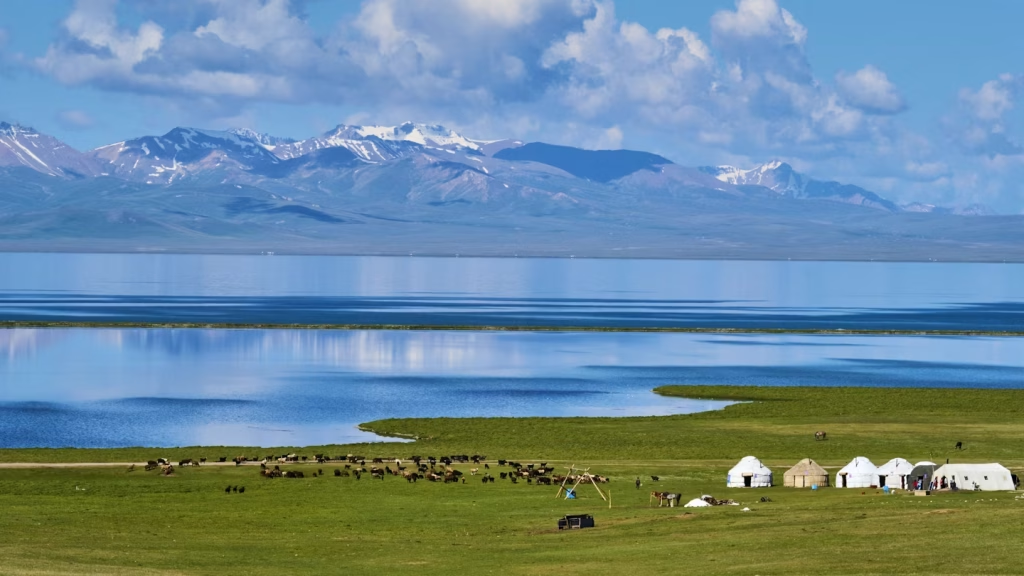
Top Places to Visit in Kyrgyzstan
- Issyk-Kul Lake: Often called the “Pearl of Kyrgyzstan,” this massive alpine lake is one of the world’s largest and never freezes, thanks to its slightly salty mineral-rich water. You’ll find beach resorts, mountain hikes, and lakeside villages with plenty of culture and calm.
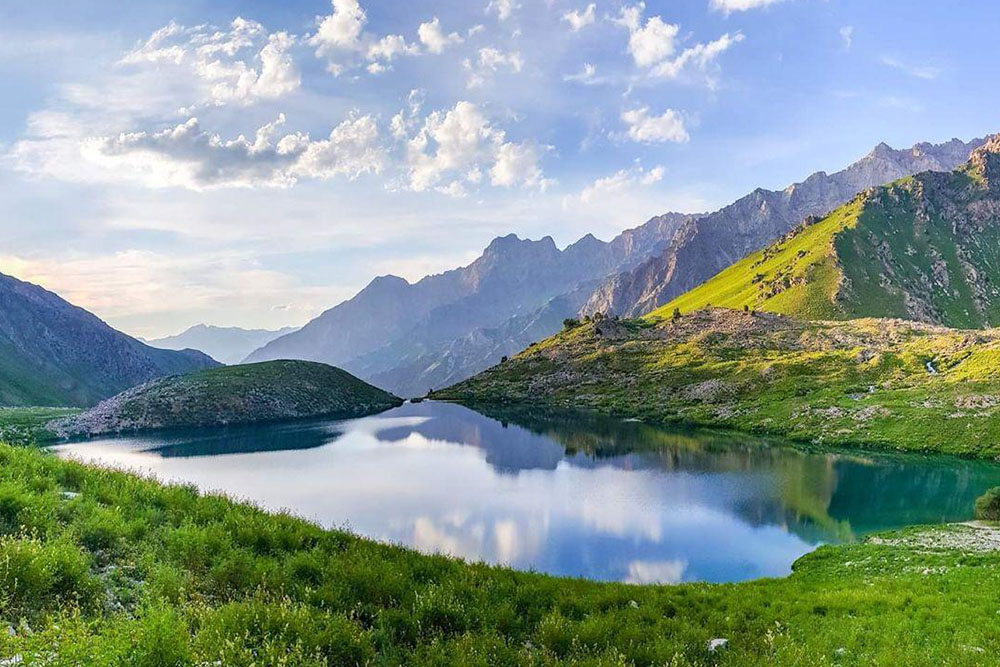
- Song-Kul Lake: A remote, high-altitude lake surrounded by green summer pastures. Perfect for horseback trekking, yurt stays, and disconnecting from the world. There’s no Wi-Fi here, just starlit skies and silence.
- Ala Archa National Park: Just 40 minutes from Bishkek, this park is a favorite for day hikes, picnics, and nature photography. Rugged mountain trails, icy streams, and wild beauty await.
- Jeti-Ögüz & Fairytale Canyon: These rock formations near Karakol are legendary, literally. The “Seven Bulls” cliffs and the “Broken Heart” rock are wrapped in local myths and offer scenic hikes and perfect photo ops.
- Horseback Adventures: Whether it’s a one-day trot or a three-day trek to Song-Kul, riding a horse through the Kyrgyz countryside is the real nomad way. Local guides and tour operators make it beginner-friendly.
- Yurt: Don’t miss the opportunity to sleep in a yurt. Most guest families offer homemade meals and stories around the fire. it’s a full cultural immersion, not just a stay.
Local Food & Must-Try Dishes
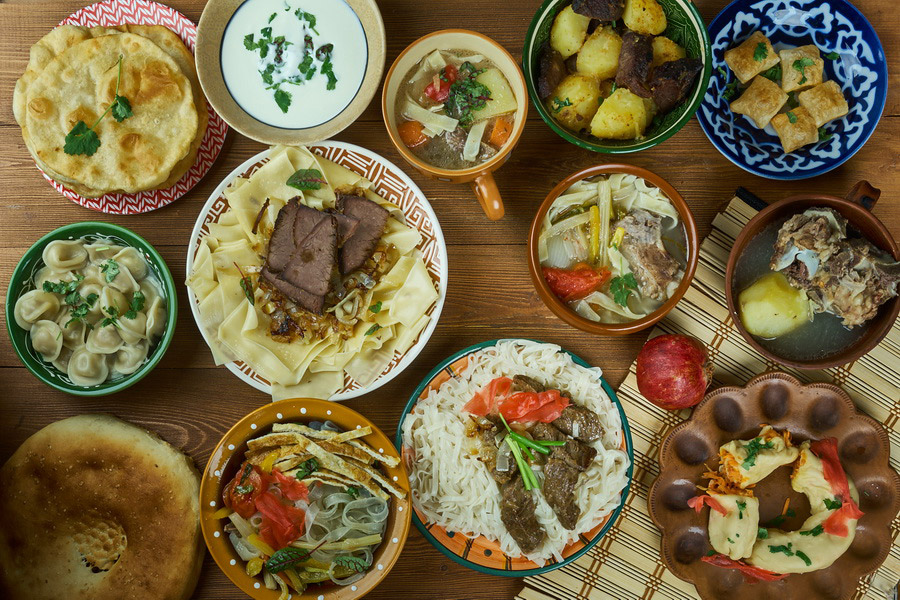
Kyrgyz cuisine is simple, hearty, and perfect for recharging after a long day in the mountains. Meals often center around meat, noodles, and dairy, reflecting the country’s pastoral lifestyle. The national dish, beshbarmak, is also beloved here, thin noodles topped with boiled meat and onions in broth. Another popular favorite is lagman, hand-pulled noodles in a fragrant soup or stir-fry, often with lamb and vegetables.
You’ll also find plov (rice pilaf with meat and carrots), manti (steamed dumplings), and samsa (flaky pastries filled with minced meat or potatoes). Many dishes are seasoned with just salt and pepper, but what they lack in spice, they make up for in comfort.
Drinks include ayran (a salty yogurt drink), kumis (fermented mare’s milk, again!), and endless cups of black or green tea, usually served with homemade jam or dried fruits. Halal food is easy to find, especially in towns like Bishkek, Karakol, and Osh.
Cultural Etiquette & Traditions
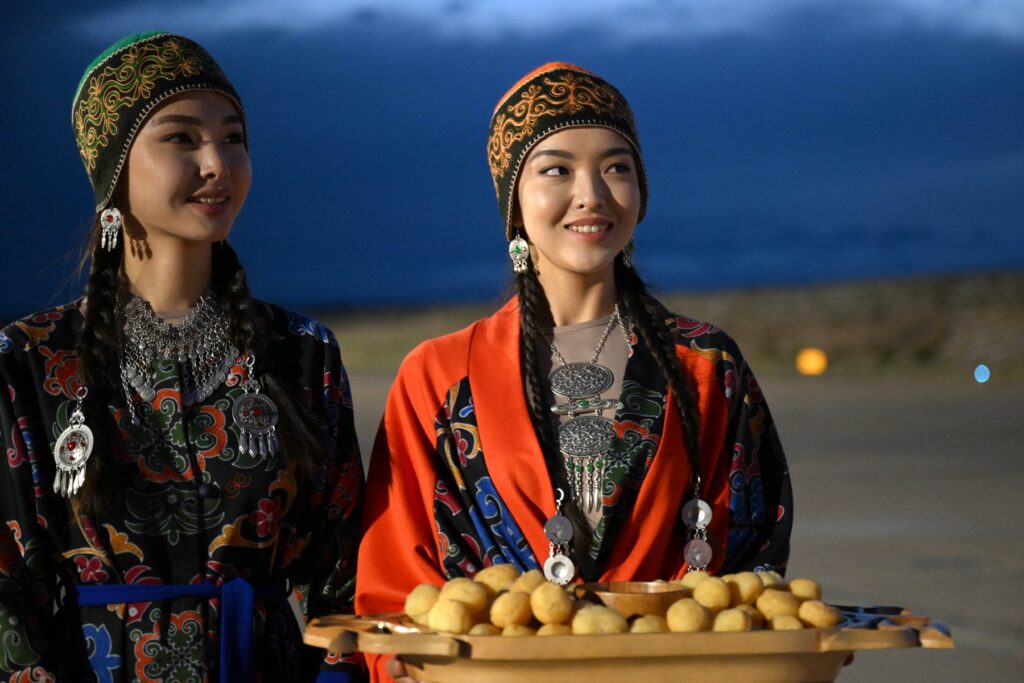
Warm Hospitality: Rooted in nomadic traditions, Kyrgyz hospitality means guests are treated with honor, expect tea, bread, and sweets even as a stranger.
Home Etiquette: Always remove your shoes before entering a home, and greet elders first as a sign of respect.
Cultural Pride: Locals are proud of customs like eagle hunting, felt-making, and yurt living, many are happy to share stories if you ask with genuine curiosity.
Modest Dress: Especially in rural areas, dress conservatively, covering shoulders and knees is both respectful and practical for the sun.
Social Behavior: Public displays of affection are uncommon, and polite, reserved behavior is appreciated in most settings.
Eagle Hunting Experience: In the Issyk-Kul region, you can visit traditional eagle hunters and learn about this breathtaking ancient practice passed through generations.
Visa Info for GCC Travelers & Worldwide Visitors
Good news, Kyrgyzstan is visa-free for GCC countries, including UAE, Saudi Arabia, Kuwait, Bahrain, Oman, and Qatar. You can stay for up to 60 days without a visa, and all you need is a passport valid for at least 6 months.
GCC residents with other nationalities may be eligible for an e-Visa, which is quick and simple to apply for online through Kyrgystan Official Electronic Visa Portal. Citizens of over 60 countries, including most of Europe and parts of Asia, also enjoy visa-free access. Others can apply for a tourist e-Visa, approval is usually fast and only requires a few documents.
Getting Around & Travel Tips
- City Transport: In Bishkek, shared minibuses called “marshrutkas” are the most common way to get around. They’re cheap, frequent, and slightly chaotic, but part of the experience. Taxis and Yandex Go are also available.
- Rural Travel: Outside the cities, transport slows down. Hiring a private driver or joining a tour group is the easiest way to explore remote areas and national parks.
- Language: Kyrgyz and Russian are spoken widely, while English is rare outside tourist areas. Translation apps are essential, but gestures and smiles go a long way!
- Currency: The local currency is the Kyrgyz Som (KGS). Carry cash, especially in rural towns and for market shopping. Credit cards are accepted in some urban restaurants and hotels.
- Connectivity: SIM cards from O! or Beeline offer good coverage—even in mountain regions. Stay connected without blowing your roaming budget.
- Weather: Summers are ideal for mountain travel, while winters are cold and snowy, great for skiing in Karakol, but many roads to the lakes will be closed.
Uzbekistan
Why Visit Uzbekistan?
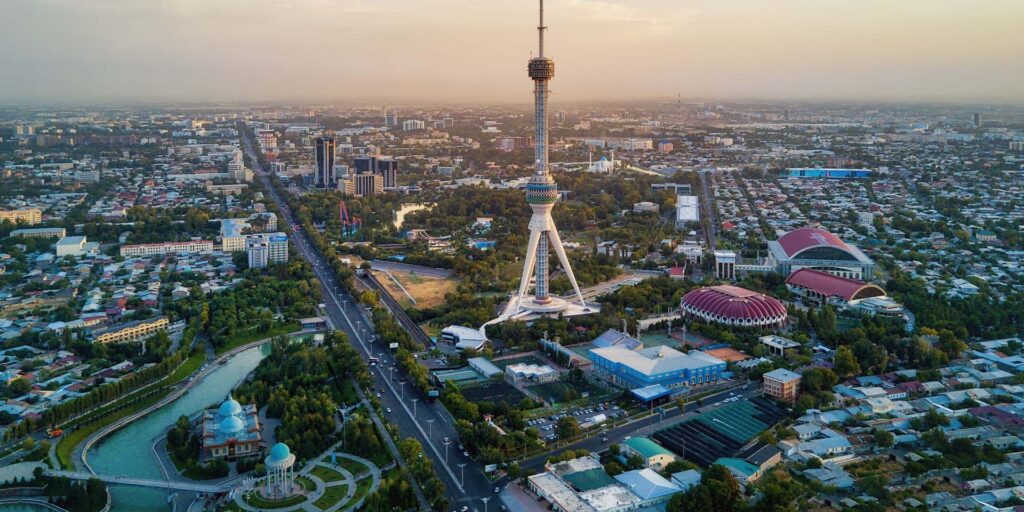
Uzbekistan is where ancient history, vibrant culture, and jaw-dropping architecture collide. Think turquoise domes, winding alleyways, and cities that look like movie sets, except they’re real. From the fairy-tale city of Samarkand to the sand-colored charm of Bukhara and the desert beauty of Khiva, Uzbekistan is the ultimate playground for culture lovers, history buffs, and anyone craving that “wow, I’ve never seen this before” moment.
It’s also budget-friendly, visa-friendly, and very welcoming to Muslim travelers, with Islamic heritage woven into nearly every street and structure. Whether you’re wandering through centuries-old madrasas or enjoying plov with a local family, Uzbekistan feels personal, poetic, and powerful.
If you’re visiting in March, don’t miss Navruz, the Persian New Year. Celebrated with games, music, and a sweet dish called sumalak, it’s a colorful glimpse into Uzbek soul.
Famous Tourist Places to Visit in Uzbekistan
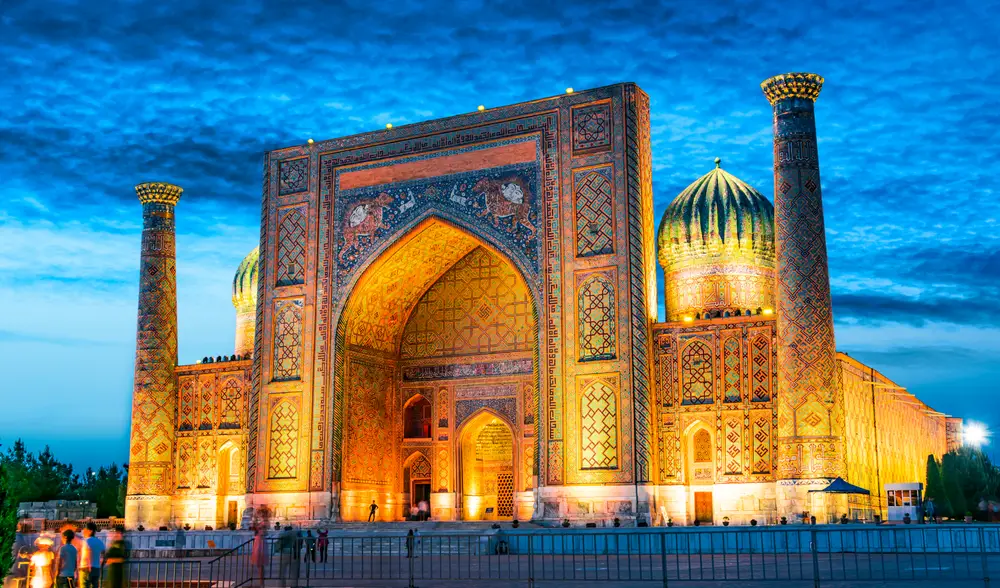
- Samarkand: The crown jewel of Uzbekistan, known for its dazzling Registan Square, a trio of madrasas that could stop time. Don’t miss the Shah-i-Zinda necropolis and the Bibi-Khanym Mosque, which look like they’re pulled from a dream.
- Bukhara: A UNESCO city that’s more than 2,000 years old, Bukhara is a maze of ancient mosques, caravanserais, and market stalls. Highlights include the Kalon Minaret, Ark Fortress, and the magical Lyabi Hauz area, perfect for tea and people-watching.
- Khiva: Like walking through a perfectly preserved film set, Khiva’s old city, Itchan Kala, is enclosed by mudbrick walls and packed with tiled minarets, narrow lanes, and ornate palaces. It’s compact, enchanting, and full of photo ops.
- Tashkent: The capital may be more modern, but it’s still worth a visit for its Soviet-era metro, leafy boulevards, and buzzing bazaars. Great for a soft landing or final stop.
Local Food & Must-Try Dishes
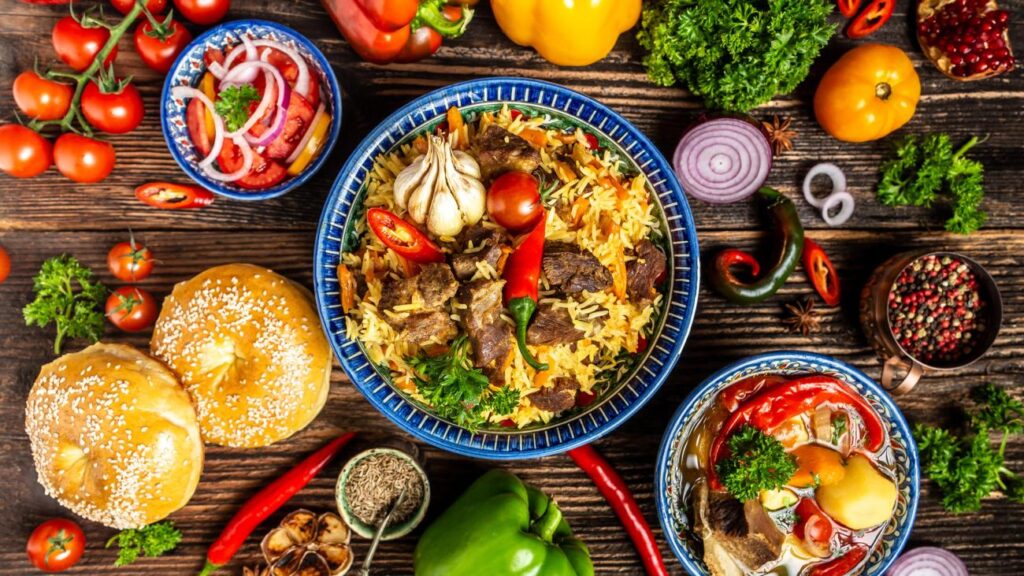
Uzbek cuisine is all about flavor, comfort, and family-style feasts. The national dish, plov (or pilaf), is a must, usually cooked in giant cauldrons and made with rice, lamb, carrots, and spices. No two regions cook it the same, and that’s half the fun.
Other local staples include shashlik (grilled meat skewers), manti (big, juicy dumplings), and lagman (hand-pulled noodle soup). You’ll also find non (flatbread) served with every meal, often fresh from traditional clay ovens. Vegetarians will enjoy samsa (filled pastries), and sweet lovers should try halva, dried fruits, and melons, some of the world’s finest grow here.
Most eateries offer halal options, especially outside major tourist hubs. Teahouses, or chaikhanas, are everywhere and offer a cozy, traditional experience.
Cultural Etiquette & Traditions
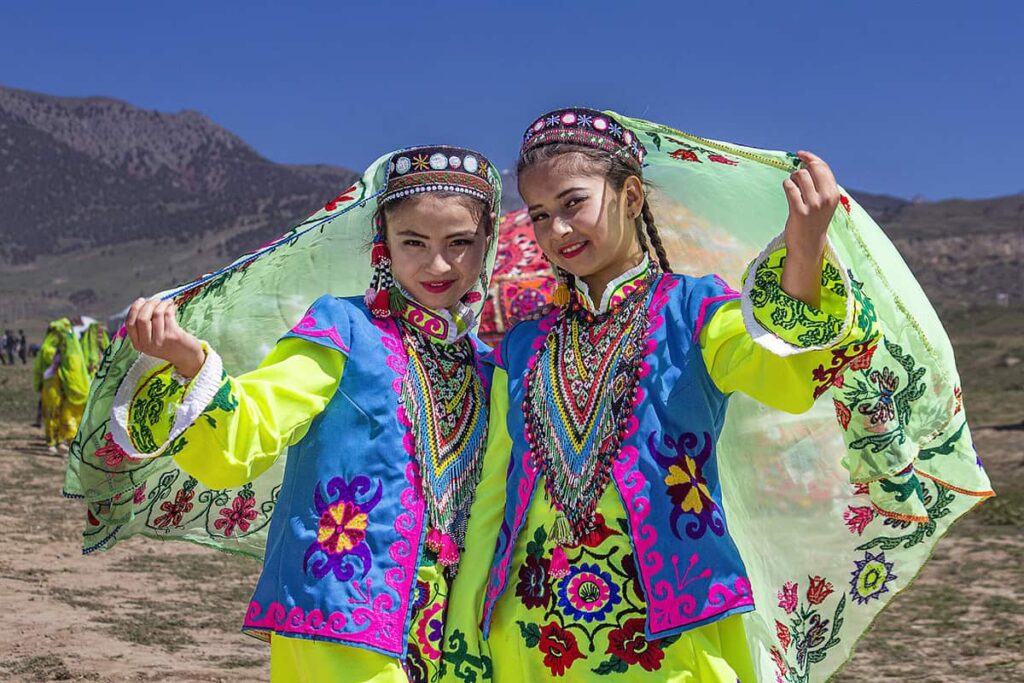
- Legendary Hospitality: Guests are treated like royalty, expect handshakes, warm smiles, and tables overflowing with food.
- Modest Yet Modern: Urban areas are relaxed, but in rural spots and religious sites, modest clothing is preferred. Covering shoulders and knees is respectful, and women may want a light scarf when visiting mosques.
- Shoes Off Indoors: It’s customary to remove your shoes when entering someone’s home.
- Sharing Meals: Food is central to social life, meals are long, communal, and always offered with generosity.
- Warm and Welcoming: A little curiosity goes a long way, locals are proud of their traditions and love sharing them with visitors.
Visa Info for GCC Travelers & Worldwide Visitors
Uzbekistan has embraced tourism with open arms, offering visa-free entry for up to 30 days to citizens of the UAE, Saudi Arabia, Qatar, Bahrain, Kuwait, and Oman.
GCC residents with other nationalities can usually apply for a fast and simple e-Visa through Uzbekistan eVisa Portal, which is valid for tourism and processed online in just a few days. Over 85 countries, including the EU, UK, Japan, and South Korea, also enjoy visa-free or e-Visa access.
Tip: Make sure your passport is valid for at least 6 months, and keep a digital copy with you while traveling.
Getting Around & Travel Tips
- Trains: Uzbekistan’s Afrosiyob trains are fast, comfortable, and often sell out—book online early, especially during holidays and spring festivals.
- Shared Taxis & Private Cars: Common for shorter trips and connections to smaller towns. Agree on the fare before hopping in!
- City Travel: In Tashkent, you’ll find buses, metro lines (beautifully decorated!), and Yandex Go. Other cities are walkable and best explored on foot.
- Language: Uzbek is the official language, but Russian is widely spoken. English is growing, especially among younger people and in tourism. A few phrases in Uzbek can earn you big smiles!
- Currency: The local currency is the Uzbek Som (UZS). Credit cards are accepted in hotels and big restaurants, but carry cash for markets, taxis, and small towns.
- Connectivity: SIM cards are cheap and available at airports. Ucell and Beeline offer reliable 4G coverage in most areas.
- Weather: Spring (April–June) and Autumn (September–November) are the best times to visit. Summers can be hot, but cities come alive in the evenings.
So, Where Will You Begin?
Ready to trade tourist traps for timeless traditions and once-in-a-lifetime scenery? Whether you’re dreaming of sipping tea in a yurt, exploring cities older than Rome, or stargazing by a glacial lake, Central Asia offers a rare kind of magic, and it’s still gloriously off most people’s radar.
So, what’s it going to be, Kazakhstan’s wild canyons, Kyrgyzstan’s nomadic trails, or Uzbekistan’s tiled treasures? Wherever you land, one thing’s for sure: your passport (and soul) will thank you.