






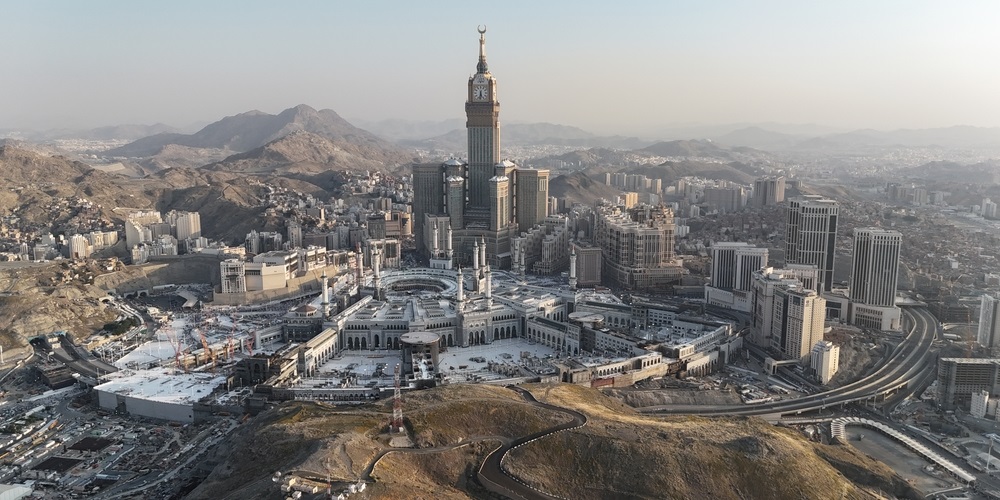
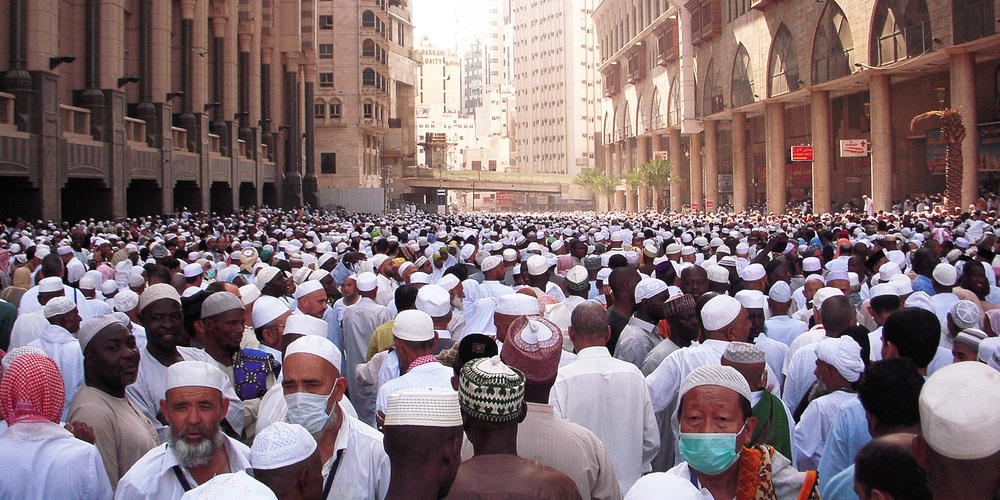
Saudi Arabia’s National Centre for Meteorology (NCM) has announced that Hajj will no longer fall during the summer months until the year 2050. According to a newly published 25-year Hajj calendar, starting in 2026, the Islamic pilgrimage will gradually move into spring, followed by winter and autumn seasons — offering milder weather for millions of pilgrims.
The shift is due to the nature of the Hijri calendar, which is about 11 days shorter than the Gregorian calendar. This causes Islamic dates to move earlier each year, resulting in Hajj aligning with different seasons over time.
Here’s how the seasons will look for Hajj through 2050:
- 2026–2033: Spring (May to March)
- 2034–2041: Winter (February to December)
- 2042–2049: Autumn (November to September)
- 2050: Summer (August)
The NCM says this change should bring relief to elderly pilgrims and those with health conditions, while also supporting better crowd control, logistics, and safety planning in the coming decades. This year marks the last time in the near future that Hajj will coincide with summer.