







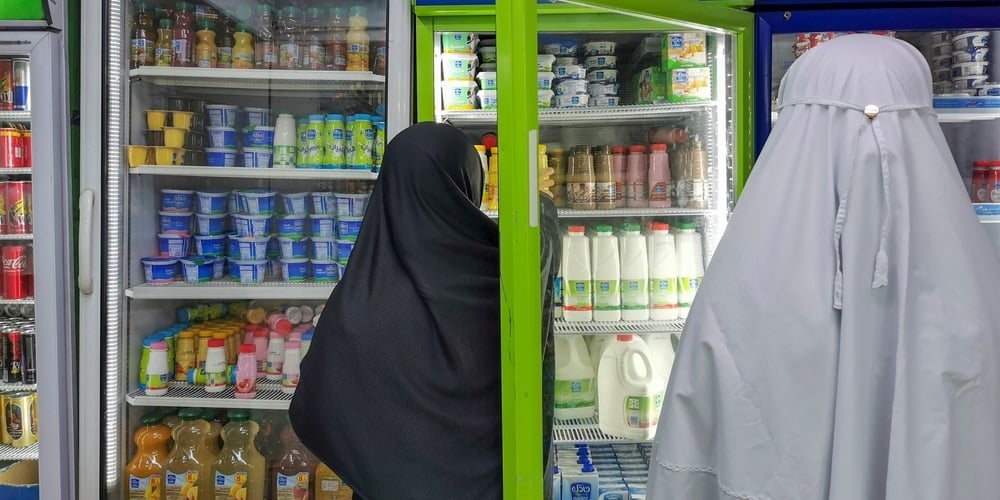
Saudi Arabia has announced a significant shake-up in its retail landscape. A new regulation bans small grocery stores (baqalas) and kiosks from selling a specific list of products, including tobacco, fresh produce, meat, and dates, as part of a broader effort to streamline and formalise the country’s retail sector.
The directive, issued by Majed Al Hogail, Minister of Municipalities and Housing, is effective immediately. However, existing small grocers will have six months to adjust and comply with the new requirements.
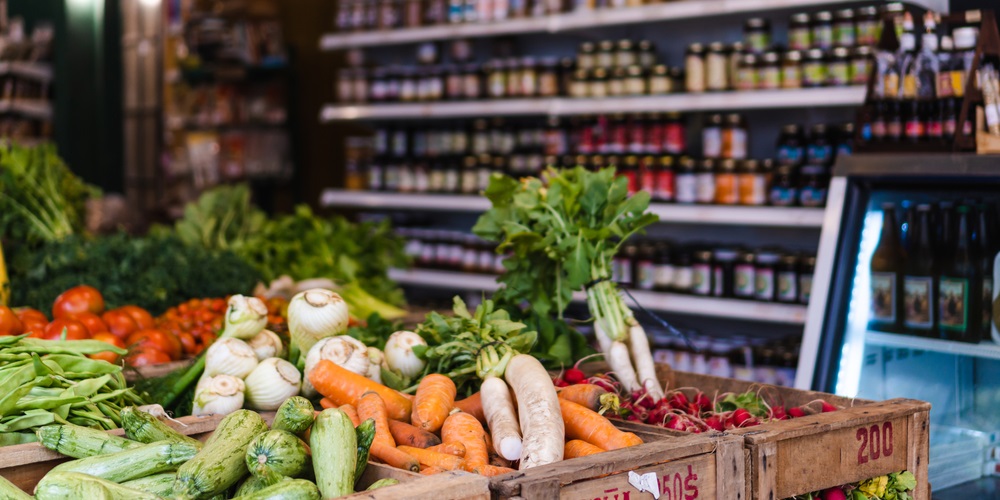
Products Now Banned from Sale in Small Grocery Stores:
- Regular and electronic cigarettes
- Shisha products
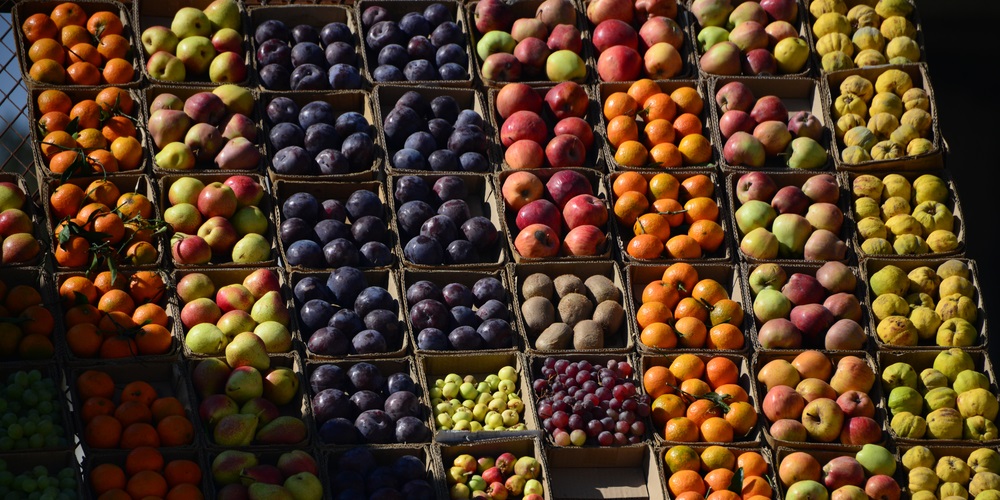
- Fruits and vegetables
- Dates
- Meat (including fresh cuts and processed items)
These products will now only be permitted for sale in larger outlets such as supermarkets and hypermarkets. For meat in particular, a special licence will be required regardless of the store’s size.
The ban comes with some flexibility. Small grocery stores will still be allowed to sell charger cables and prepaid recharge cards.
The regulation also lays out minimum space requirements for stores:
- Grocery stores: 24 sqm
- Supermarkets: 100 sqm
- Hypermarkets: 500 sqm
These new standards aim to distinguish between retail categories more clearly and ensure better control over product quality and licensing.
For more on how regulations are shaping the Kingdom’s food and retail sectors, check out the new rule that require all restaurants, cafés, and delivery platforms in Saudi Arabia to display full nutritional information on their menus starting July 1, 2025.