






Abu Dhabi is taking significant steps to improve the quality of life for its residents and visitors. With a AED 42 billion investment, the city is entering the next phase of ‘Liveability Strategy’, an initiative that focuses on reducing car dependency and creating a more pedestrian-friendly environment.
A major part of this initiative is enhancing car-free connectivity across the city. The plan includes developing new footpaths, upgrading public infrastructure, and expanding community transport systems. These changes aim to make it easier to walk, cycle, and use public transportation, reducing the need for private cars.
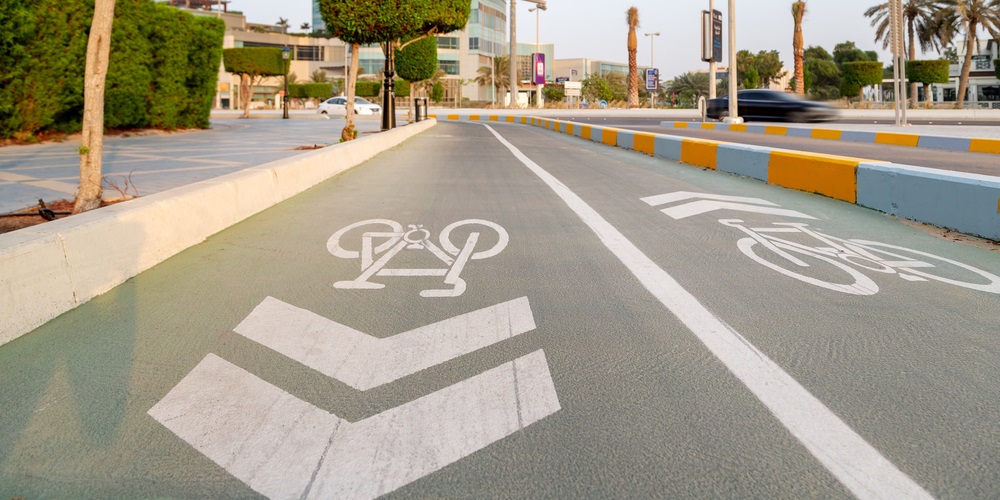
The approved budget will also support important infrastructure projects like new cycling tracks, landscaping, and improved road networks to boost connectivity. The strategy will reinforce existing infrastructure, ensuring it meets the growing needs of the city.
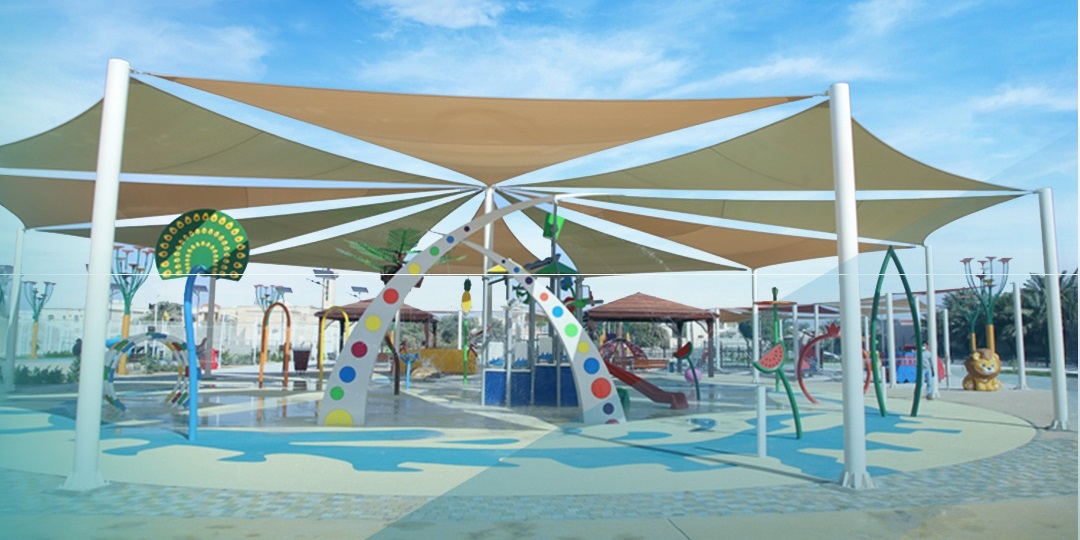
Another key focus is building essential recreational, service, and community facilities. These include playgrounds, clinics, schools, nurseries, civil defense stations, majlises, function halls, and bus shelters. The goal is to provide public spaces that foster a stronger sense of community.
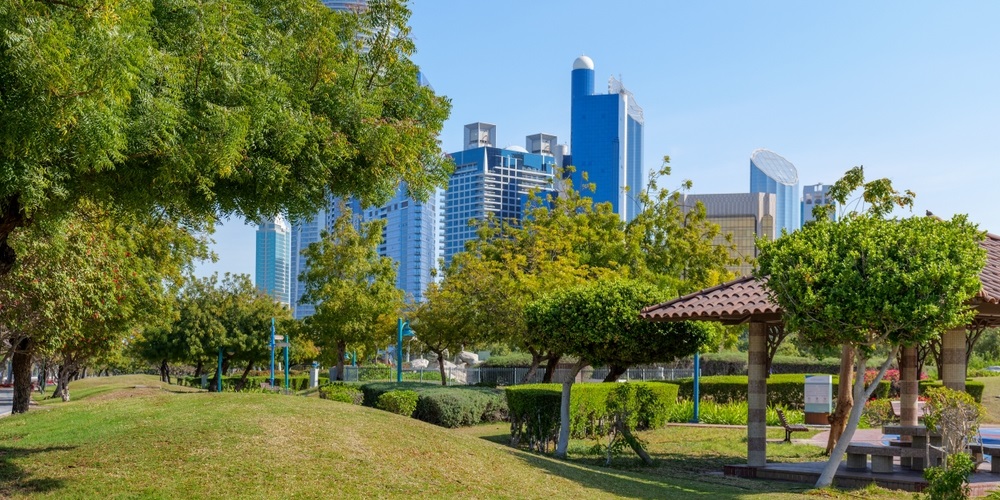
The first phase of ‘Liveability Strategy’ involved critical projects that have already transformed the urban landscape. Abu Dhabi has constructed 120 km of walking paths, 280+ km of cycling tracks, and 220 km of new street lighting. Approximately 200 beautification projects have been carried out.
This focus on enhancing quality of life has already placed Abu Dhabi in 5th place on the 2025 IMD Smart City Index, surpassing many major global cities. The UAE capital has also earned recognition as the safest city worldwide.
If you’re interested in how these changes will shape the future of Abu Dhabi, keep an eye out for more updates.