







قد يكون التفكير في فقدان وظيفتك لصالح الذكاء الاصطناعي قد خطر ببالك مرة أو مرتين… وفقًا لرئيس صندوق النقد الدولي (IMF)، قد لا يكون هذا القلق بعيد المنال كما يبدو. من المتوقع أن يعطل الذكاء الاصطناعي ما يقارب 40% من الوظائف على مستوى العالم، وهذه التحولات تحدث بسرعة أكبر مما يدركه العديدون.
قالت كريستالينا جورجيفا، المديرة التنفيذية لصندوق النقد الدولي، إن تأثير الذكاء الاصطناعي قد يشعر وكأنه “تسونامي” يضرب سوق العمل. بينما ستشهد بعض الوظائف نمواً، قد تختفي وظائف أخرى تمامًا.
إذن، كيف سيؤثر هذا عليك؟ والأهم من ذلك، كيف تبقى ذا صلة في هذا المشهد المتغير بسرعة؟ دعونا نلقي نظرة على ما يقوله الخبراء حول ذلك.
ما الوظائف التي سيتأثر بها الذكاء الاصطناعي؟
بينما تتمحور الفكرة الشائعة عن الذكاء الاصطناعي حول استبدال الروبوتات لعمال المصانع أو الأنظمة المؤتمتة التي تجيب على مكالمات خدمة العملاء، فإن الواقع أكثر تعقيدًا. سيؤثر الذكاء الاصطناعي على العديد من الوظائف، من العمل اليدوي إلى المجالات الإبداعية والتحليلية.

إليك نظرة على كيفية تأثير الذكاء الاصطناعي على مختلف المجالات:
الوظائف الروتينية واليدوية
المهام مثل إدخال البيانات، والعمل الإداري، وحتى القيادة قد تصبح مؤتمتة بالكامل، مما يجعل هذه الوظائف أكثر عرضة للإزاحة. على سبيل المثال، هناك بالفعل تاكسيات بدون سائق تعمل في أجزاء من دبي و أبوظبي ، ومن المرجح أن يتوسع هذا الاتجاه.
الأدوار الإبداعية
يمكن للذكاء الاصطناعي المساعدة في إنشاء المحتوى، والتصميم، وتحرير الفيديو، مما يحول الطريقة التي تتم بها هذه الأعمال بدلاً من استبدالها بالكامل. ستظل العملية الإبداعية تعتمد على المدخلات البشرية.
الوظائف التحليلية والبحثية
سيقوم الذكاء الاصطناعي بمعالجة مجموعات البيانات الكبيرة وأتمتة التحليلات الروتينية، لكن الخبرة البشرية ستظل ضرورية لاتخاذ القرارات وتفسير البيانات المعقدة. على سبيل المثال، تستخدم أنظمة الذكاء الاصطناعي في شواطئ دبي العامة كمساعدين للمنقذين، لمراقبة السلامة في الوقت الفعلي وتعزيز إشراف الإنسان.

وظائف الرعاية الصحية
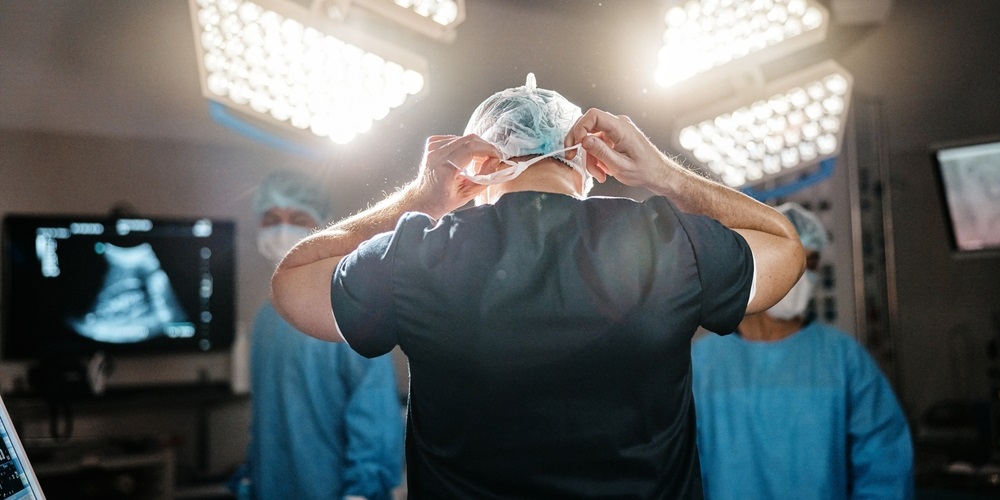
بينما سيعزز الذكاء الاصطناعي القدرات التشخيصية وتخطيط العلاج، سيظل من الضروري وجود المتخصصين الطبيين للإشراف على هذه التطورات وتقديم الرعاية للمرضى.
4 مهارات ستحتاج إليها للبقاء في المقدمة
إذن، ما المهارات التي تحتاج إلى التركيز عليها لتجنب التخلف؟ الجواب المختصر هو أي شيء يصعب أتمتته. بينما يتفوق الذكاء الاصطناعي في التعامل مع المهام المتكررة، إلا أنه يواجه صعوبة في التعامل مع كل ما يتطلب الحكم البشري، والذكاء العاطفي، والإبداع.
إليك نظرة على المهارات التي ستمنحك ميزة:
- حل المشكلات والتفكير النقدي
يمكن للذكاء الاصطناعي معالجة البيانات ولكنه يواجه صعوبة في إيجاد حلول إبداعية للمشاكل المعقدة. على سبيل المثال، قد يستخدم مستشار الأعمال الذكاء الاصطناعي لتحليل الاتجاهات، ولكن التفكير النقدي هو الذي سيشكل استراتيجيات المستقبل. - الذكاء العاطفي والمهارات البينية
يعتمد المحترفون في الرعاية الصحية، والعاملون الاجتماعيون، والمعلمون على الاتصال بالناس بطرق لا يمكن للذكاء الاصطناعي أن يحققها. فكر في ممرضة تواسي مريضًا أو معلم يوجه طالبًا يعاني: لا يمكن للذكاء الاصطناعي أن يحل محل التعاطف البشري.
- الإبداع
الذكاء الاصطناعي يمكنه توليد الأفكار، ولكنه لا يمكنه منافسة الإبداع البشري. على سبيل المثال، يمكن للفنان الذي يكتب من تجاربه الشخصية أن يخلق موسيقى تتفاعل عاطفيًا مع الجمهور، وهذا شيء لا يستطيع الذكاء الاصطناعي ببساطة تقليده. - القيادة والإدارة
يمكن للذكاء الاصطناعي تحسين العمليات، ولكنه لا يستطيع قيادة فريق أو اتخاذ قرارات صعبة تحت الضغط. هذه هي جماليات القيادة البشرية، سواء كان ذلك في توجيه مشروع، أو تحفيز فريق، أو اتخاذ قرارات تأخذ في الاعتبار ليس فقط البيانات، بل الأشخاص المعنيين.
كيف يمكن للطلاب الاستعداد لمستقبل مدفوع بالذكاء الاصطناعي؟
هناك اعتقاد شائع بأن النجاح في المستقبل المدفوع بالذكاء الاصطناعي يعني التعمق في الترميز، والأمن السيبراني، أو المجالات التقنية الأخرى. لكن المفتاح الحقيقي هو التكيف وإيجاد طرق للتعاون مع الذكاء الاصطناعي في مجالك المهني، سواء كنت تدرس الرعاية الصحية، أو الإعلام، أو الأعمال التجارية، أو التصميم، أو حتى الاستدامة.

على سبيل المثال، في مؤتمر الذكاء الاصطناعي الأخضر الأخير في دبي، تم عرض مشاريع طلابية تستخدم الذكاء الاصطناعي لتحسين الاستدامة. وهذا يثبت كيف يمكن تطبيق الذكاء الاصطناعي في جميع المجالات، وأن الطلاب الذين يتعلمون كيفية استخدامه لصالحهم يمكنهم فتح أبواب الفرص المدهشة، مثل دعوتهم إلى مؤتمر دولي ضخم.
في النهاية، مستقبل العمل يعتمد على التعلم المستمر والتكيف مع التغيرات السريعة. سيكون الطلاب الأكثر نجاحًا هم أولئك الذين يمكنهم دمج الذكاء الاصطناعي في مسيراتهم المهنية، بغض النظر عن مجالاتهم، والبقاء مرنين مع تطور التكنولوجيا.
للحصول على المزيد من النصائح حول كيفية التنقل في هذا العالم المدفوع بالذكاء الاصطناعي، يمكنك الاطلاع على 6 قواعد للنجاح في المستقبل المدفوع بالذكاء الاصطناعي – رؤى للأطفال والطلاب.