







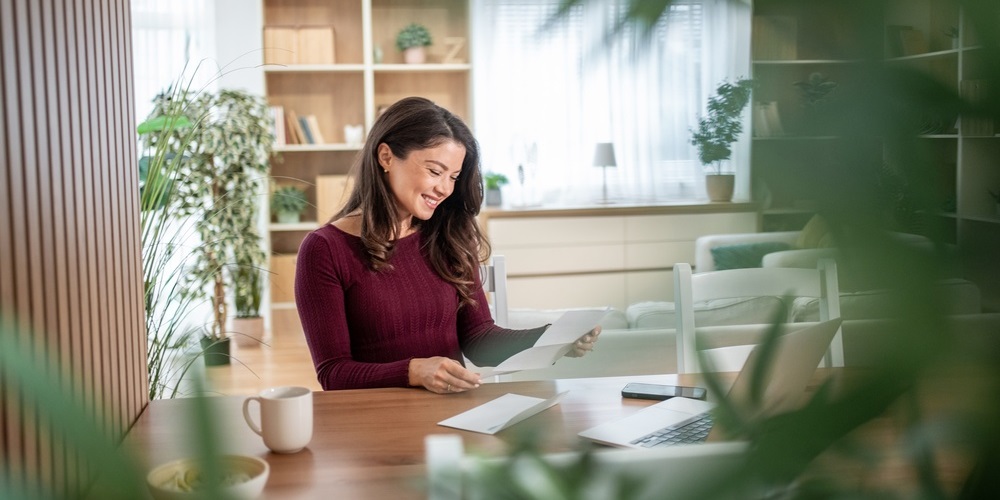
A home doesn’t need to be perfect to feel peaceful. Often it’s the small details that make a space feel calm and settled. It turns out there’s some science behind that. Researchers have found that our surroundings influence how the brain responds to stress and relaxation.
Small environmental cues like lighting, scent, sound, and daily routines can signal to the nervous system that a space is safe and comfortable.
The good news is that creating a calmer home doesn’t require big changes or a full redesign. Below are ten small habits that can help your home feel more secure and settled. You don’t need to adopt all of them: even introducing a few that speak to you can make a difference over time.
1. Let Natural Light Into Your Home
Natural light plays an important role in regulating our circadian rhythm, the internal clock that controls sleep and energy levels. Studies have shown that exposure to daylight can improve mood and help the body maintain healthier sleep patterns.

Opening the curtains in the morning or spending a few minutes near a window can make a room feel more open and welcoming while also helping your body wake up naturally.
2. Use Calming Scents
Our sense of smell is closely connected to the brain’s emotional center. Because the olfactory system links directly to areas that process memory and emotion, certain aromas can quickly influence how we feel.
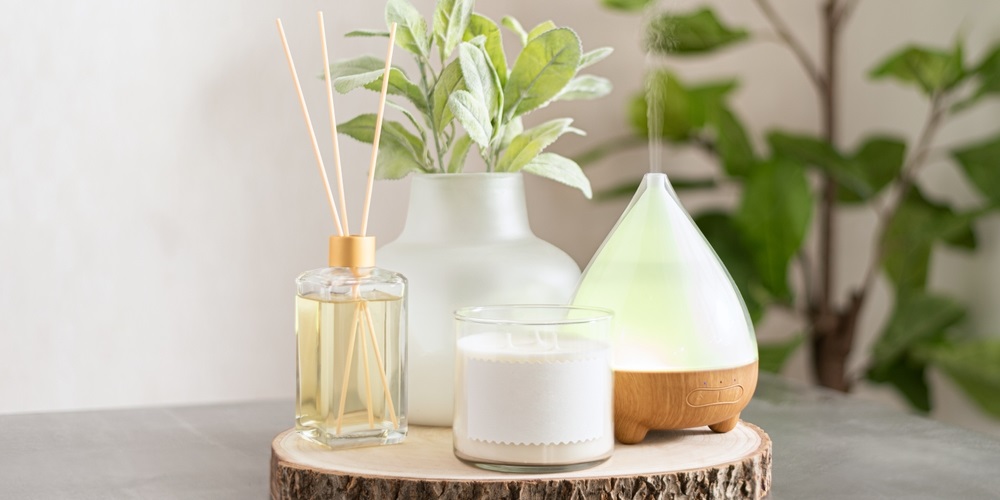
There are many ways to do introduce calming scents at home, from reed diffusers and scented candles to aroma oils or essential oil diffusers.
- Lavender, chamomile, sandalwood, and vanilla are often associated with relaxation
- Citrus or eucalyptus can help create a fresh and uplifting atmosphere
Scents are just one way our senses influence how we feel. What we eat and drink can also play a role in supporting balance. You can read more about foods and drinks that promote calm and well-being.
3. Keep a Few Surfaces Clutter-Free
When the brain processes too many visual signals at once, it can create a sense of overwhelm. Keeping a few key surfaces clear such as a kitchen counter or bedside table can give the mind a visual break and make a room feel calmer.
4. Add Plants or Natural Elements
Exposure to nature has long been associated with reduced stress and improved wellbeing. Even small reminders of the natural world indoors can create a similar effect. Adding houseplants, a small herb garden, fresh flowers, or natural materials like wood can make a space feel more soothing and connected to nature.
5. Play Soft Background Music
Sound has a strong influence on how we experience a space. Instrumental music, soft jazz, or lo fi playlists in the background can help regulate mood.

6. Create a Gentle Evening Routine
The brain responds well to predictable signals that the day is ending. Evening routines can help the nervous system slow down and prepare for sleep.
Try simple rituals such as dimming the lights, making tea, or reading for a few minutes, or doing a few gentle stretches before bed. If you’re looking for ideas, explore 12 easy activities to do at home, including light stretching, Pilates, and other simple ways to relax and reset in the evening.
7. Make the Bed Each Morning
Completing small tasks early in the day can create a sense of structure and accomplishment. Even simple routines help the brain feel that the environment is organized and manageable.
8. Open the Windows for Fresh Air
Fresh air can improve indoor air quality and make a space feel more comfortable. Even short periods of ventilation can refresh the atmosphere of a room.

9. Give Everyday Items a Clear Place
Predictability is an important factor in how secure an environment feels. When everyday items have a consistent place, daily routines become less stressful. Simple systems like a basket for keys or a shoe rack near the door can remove small frustrations from everyday life.
10. Fix Small Annoyances Around the House
Minor inconveniences may seem insignificant, but small daily frustrations add stress. Fixing these little pain points can make a home easier to move through:
- Switching to non-slip hangers so clothes don’t keep falling off
- Using matching food containers so lids and containers are easy to find
- Organizing a drawer or pantry so items don’t fall over every time you reach for something
Feeling more secure and settled at home doesn’t usually come from big changes. More often it grows from small habits that make everyday life easier and more predictable. Over time these routines can build a sense of stability and make your home a place where you can step away from the noise of the outside world and simply be.