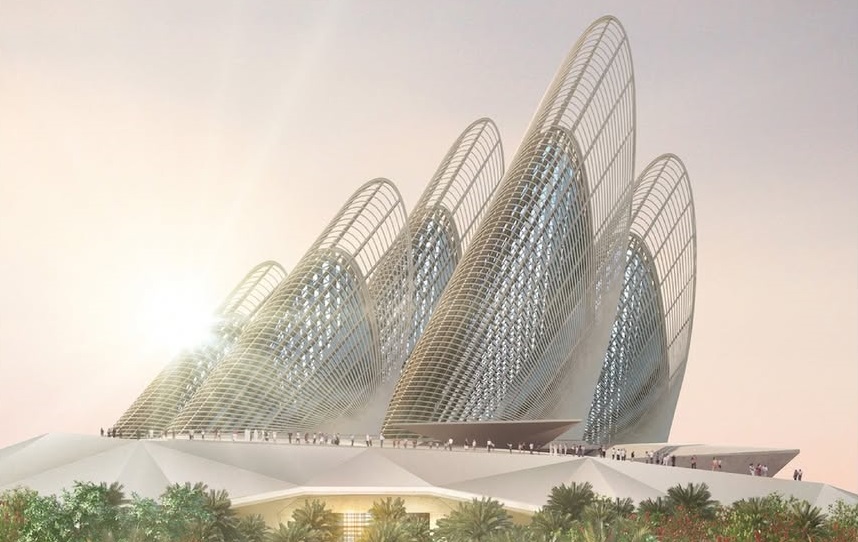







Abu Dhabi is making global headlines once again — this time by combining innovation with sustainability and spiritual architecture. Property developer Aldar has announced plans to construct the world’s first net-zero mosque, located in Sustainable City Yas Island.
The project is a regional first on multiple fronts. Not only will it be the first mosque in the Middle East and North Africa to use hydrogen-based steel rebar, but it’s also aiming for LEED Zero Carbon certification, reflecting a commitment to environmentally responsible construction from the ground up.
View this post on Instagram
The standout innovation lies in the material choice. The mosque will be built using hydrogen steel, supplied by EMSTEEL Group — a type of rebar that can cut carbon emissions by up to 95% compared to conventional steel. Considering that steel is one of the most carbon-intensive materials used in construction, this is a game-changing step toward more sustainable building practices.
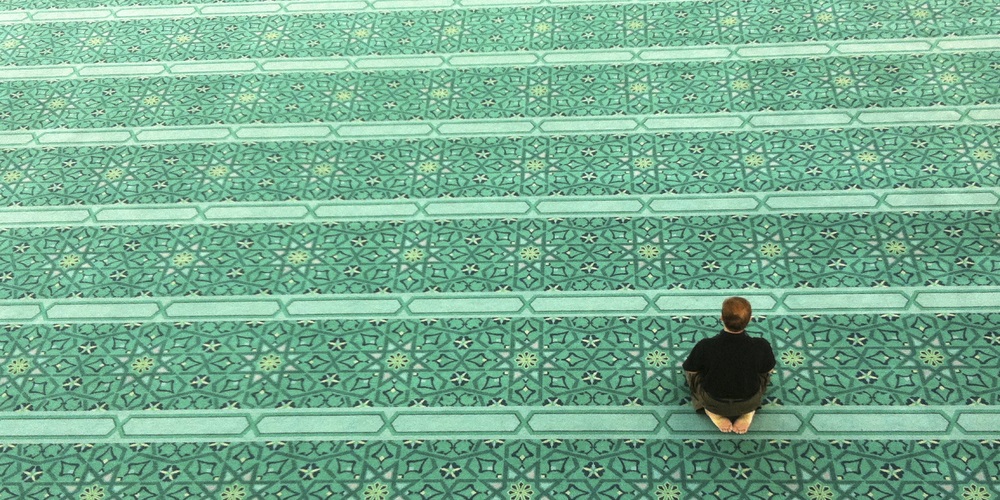
Spanning 1,595 square metres and accommodating over 850 worshippers, the mosque will incorporate a range of eco-conscious materials and systems. From energy-efficient lighting and low-emission concrete to sustainable cooling methods and eco-friendly prayer carpets, every detail has been selected to reduce environmental impact.
View this post on Instagram
Salwa Al Maflahi, executive director of sustainability and community outreach at Aldar, stated: “The low emissions hydrogen-based rebar is more than a material innovation – it’s a catalyst for reshaping our industry. As we transition to low-carbon construction, green steel enables us to reduce embodied carbon at scale, without compromising structural integrity or design ambition.”
Abu Dhabi’s net-zero mosque is more than a place of worship — it’s a blueprint for how tradition and technology can work together to build a more sustainable future.