








It’s no secret that the food and drinks you choose can have a big impact on how you feel, both physically and mentally. From enjoying comforting meals to sipping on that morning coffee for a quick energy boost, we all know how what we eat can affect our mood. By making mindful choices, you can use nutrition to help manage stress and feel more balanced naturally. Here’s how the right foods and drinks can help you stay calm and support your well-being every day.
This article offers general, science-backed recommendations for supporting mental well-being through diet. It is not medical advice. Always consult a healthcare professional before making changes to your diet or lifestyle.
5 Foods That Promote Calm
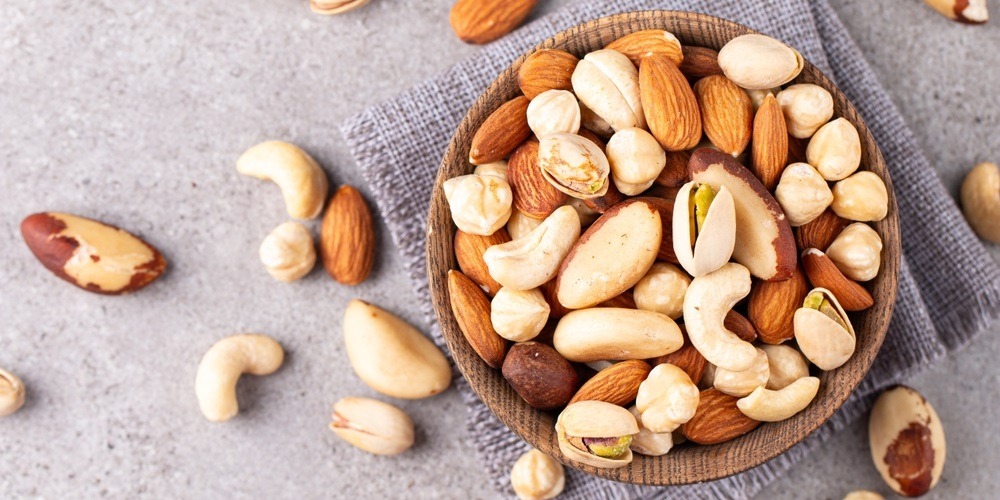
Nuts and Seeds
Most of them are packed with magnesium and vitamin E, both of which support nerve health and reduce stress. Magnesium has been shown to have a calming effect on the nervous system by regulating cortisol levels (the stress hormone). Nuts and seeds work wonderfully in salads.
- Almonds
- Walnuts
- Chia seeds
- Pumpkin seeds
- Sunflower seeds
Leafy Greens and Vegetables
They are are full of folate (B9) that helps regulate mood and promote a sense of calm. Folate plays a role in producing neurotransmitters that help with mood regulation. A deficiency in folate has been linked to an increased risk of depression and anxiety.
- Spinach
- Kale
- Avocado
- Swiss chard
- Arugula
- Broccoli

Omega-3 Rich Foods
Omega-3 fatty acids are well-known for their anti-inflammatory properties and their ability to combat surges in cortisol. They also promote heart health. Fatty fish are the best sources of omega-3s, but you can also find them in vegetables and even nuts:
- Salmon
- Sardines
- Tuna
- Chia seeds
- Avocado
- Walnuts
- Olive oil
Blueberries
Blueberries are packed with antioxidants, which help prevent cell damage caused by oxidative stress. These antioxidants may reduce feelings of anxiety by protecting brain cells from damage.
Tip: try blueberries with dark chocolate (70% cocoa or higher) for a delicious, stress-reducing snack. The magnesium in dark chocolate complements the antioxidants in blueberries, promoting a sense of calm.

Fruits Rich in Vitamin C
Vitamin C is essential for reducing cortisol and supporting a healthy immune system. Studies show that people who get enough vitamin C tend to handle stress better and recover faster from stressful situations.
- Pineapples
- Oranges
- Kiwis
- Strawberries
- Grapefruits
- Papayas
By incorporating these products into your daily meals, you can nourish both your body and mind, helping to stay calm, balanced, and energized. These foods not only support mental well-being but also add new flavors, colors, and textures to your meals.
5 Drinks That Support Calm
Herbal Teas
Herbal teas are known for their calming effects and can help reduce stress and promote relaxation. They contain compounds that bind to brain receptors, easing anxiety and supporting restful sleep. Popular herbal teas include:
- Chamomile
- Peppermint
- Ginger
- Hibiscus
- Rooibos
- Mate

Fruit Juice (100% Juice)
100% fruit juices, such as orange or pomegranate juice, are rich in antioxidants and vitamin C, which help reduce cortisol levels and support a healthy stress response.
Green Tea
Green tea is packed with L-theanine, an amino acid that promotes relaxation and reduces stress. It helps balance brain activity and has a calming effect.
Coconut Water
Coconut water is rich in electrolytes, magnesium, and potassium, which are essential for hydration and help to calm the nervous system. It helps replenish fluids lost during the day and reduces muscle tension.

Water
Staying hydrated with water is essential for overall well-being. Dehydration can cause irritability and fatigue, while proper hydration supports mental clarity, balanced mood, and physical health.
Foods and Drinks to Limit for Better Calmness
While certain foods and drinks can support a calm state of mind, others can have the opposite effect. To reduce anxiety, try to limit or avoid:
- Caffeine. It can make you jittery, increase heart rate, and exacerbate anxiety
- High-sugar foods can cause blood sugar spikes and crashes, leading to mood swings and irritability
- Refined carbohydrates. Foods like white bread and pasta disrupt blood sugar levels
- Artificial sweeteners may cause mood swings or headaches
- High-fat foods can increase inflammation in the body, contributing to anxiety
Making mindful dietary choices is a simple yet effective way to promote a more balanced and peaceful state of mind. Whether it’s a calming cup of herbal tea in the evening or a refreshing salad with nuts and seeds, these small changes can have lasting benefits for both your physical and mental health.
You can also check out 12 activities to do at home: from Pilates and yoga to family dance nights.