




For everyone living in the UAE, it’s important to know key Islamic holidays coming up in 2026. Whether you’re observing these holidays for religious reasons or simply enjoying time with family and friends, knowing the dates can help you plan ahead.
Here’s a quick breakdown of the most important Islamic holidays in 2026:
- Ramadan begins on February 18
This day marks the start of the holy month of Ramadan, a period of fasting, prayer, and reflection for Muslims around the world. Ramadan lasts for 29 or 30 days. In 2026, Ramadan in UAE officially started on February 18.
- Eid al Fitr (March 19)
A major celebration marking the end of Ramadan. After a month of fasting, Eid al Fitr is a day of feasting, family gatherings, and giving back to the less fortunate. This holiday could give a three-day weekend in 2026.

- Hajj begins on May 25
Hajj is one of the five pillars of Islam, a pilgrimage to Mecca that every Muslim must make at least once in their lifetime if financially and physically able. It usually takes place during the Islamic month of Dhul Hijjah.
- Arafat Day (May 26)
This is a significant day during the Hajj pilgrimage, when pilgrims gather at Mount Arafat to pray and seek forgiveness. For non-pilgrims, it is a day of fasting and reflection.
- Eid al Adha (May 27-29)
Known as the Festival of Sacrifice, this holiday and commemorates the willingness of Ibrahim to sacrifice his son in obedience to God. Eid al Adha is celebrated for three to four days, and in 2026, could lead to a six-day holiday.
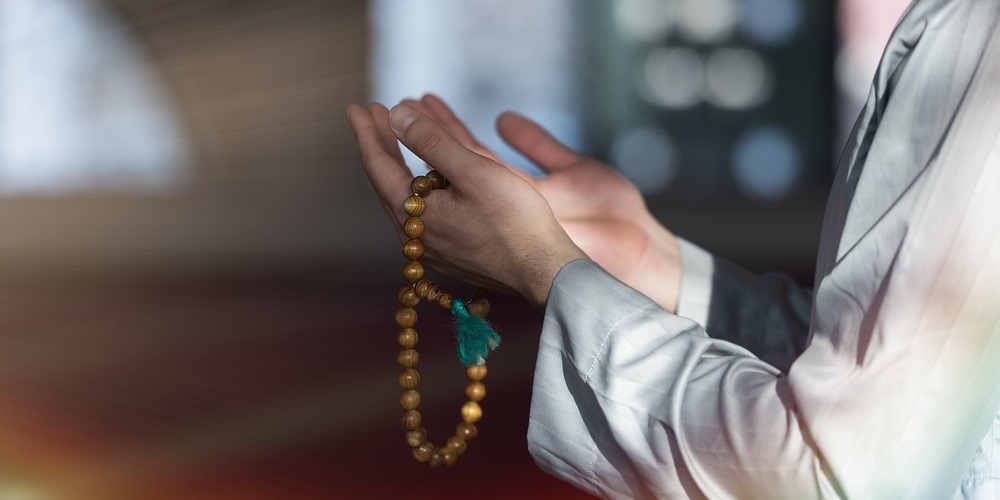
- Islamic New Year (June 15)
The start of the Islamic New Year marks the beginning of the new Hijri year. It’s a more reflective day for Muslims, with some choosing to fast and pray.
- 12th Rabi Al Awwal (August 24)
This day commemorates the birth of the Prophet Muhammad. It is a day for reflection and prayer, honoring his life and teachings.
The dates of Islamic holidays shift slightly each year because the Hijri calendar is based on the lunar cycle, while the Gregorian calendar follows the solar cycle and has fixed dates. The lunar year is about 10-12 days shorter than the solar year, which causes the Islamic holidays to move forward.
Adopted in early 2025, the new public holiday law introduced flexibility for holidays like Islamic New Year, Prophet Muhammad’s birthday (PBUH), and UAE National Day. If these holidays fall on a weekend, they’ll be rescheduled. However, this flexibility does not apply to Eid Al Fitr and Eid Al Adha, which remain fixed.
Check out the full information on the UAE Public Holiday Law here.
Each of these days holds deep significance and offers opportunities for both spiritual growth and celebration. Stay tuned for more updates, and keep an eye on official announcements for any changes to these Hijri dates. 2026 promises to be a year full of meaningful moments and celebrations!