






The Perseid meteor shower is active again for the 2025 season. It will light up the skies until August 23 — and peaking on the night of August 12.
Known for its consistent and bright meteors, the Perseids typically produce up to 75 meteors per hour during the peak. These meteors are caused by Earth passing through debris left behind by Comet Swift-Tuttle, a massive 26-km-wide comet — more than twice the size of the asteroid that wiped out the dinosaurs, according to NASA.
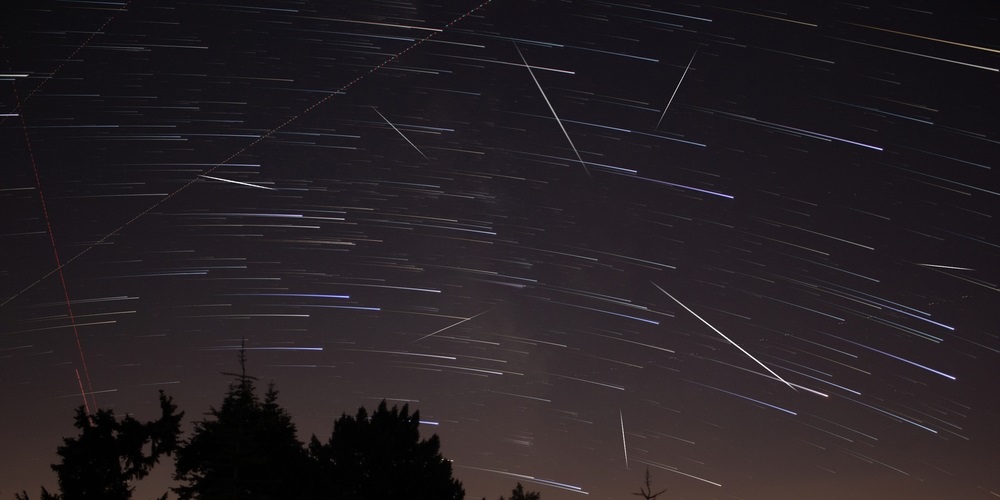
Moving at speeds of about 60 km/sec, the Perseids often leave visible trails and occasional fireballs. They appear to come from the Perseus constellation in the Northern Hemisphere, which is where the name comes from.
Perseid Meteor Shower 2025: Viewing Conditions
There’s one catch this year: a bright Sturgeon Moon will be nearly full on August 12, shining at about 84% brightness. This means light pollution from the moon is expected to reduce the visibility of meteors by around 75%, compared to a dark, moonless sky.
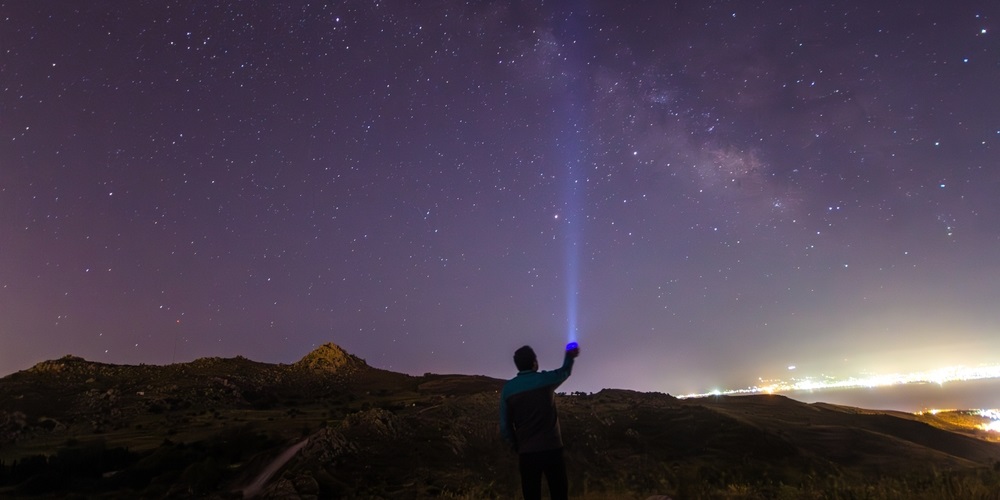
The Perseids will reach their peak on August 12, offering a dazzling display of shooting stars across the night sky. If you’re in the UAE, this is the perfect chance to step away from city lights and find a low light pollution area for the clearest views:
- Al Quaa Milky Way Spot (from Abu Dhabi)
- Mleiha Archaeological Centre (Sharjah) with an organised stargazing session
- Hatta (from Dubai)
After the full moon, August 16-26 brings darker skies again. While meteor activity slows down, you’ll still have a better chance of seeing the ones that do pass.
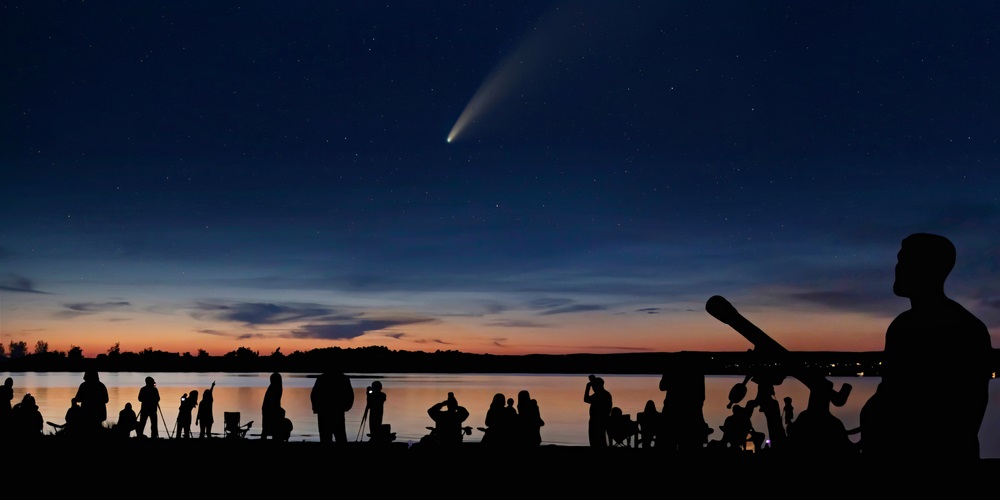
If you’re in the UAE, this is the perfect chance to enjoy a stellar summer night and make a wish or two. Wherever you go, make sure to bring water, snacks, and a flashlight — and give your eyes 20 minutes to adjust to the dark.
For those already dreaming of the next big celestial event, a rare 6-minute total solar eclipse is coming in August 2027 — and part of it will be visible from the UAE.