








Just like adults, children can experience anxiety and stress, but they don’t always express them in obvious ways. Often, their feelings of discomfort manifest in subtle changes in their behavior, habits, or emotions. Being able to recognize these less obvious signs and offering support can help your child navigate their stress and anxiety more effectively.
Here’s a helpful reminder of what to pay attention to.
Infants and Toddlers (0-3 Years)
At this age, children can’t express their feelings with words, so anxiety often shows up in their behaviors and routines.
Hidden signs of anxiety:
- Regressing to earlier behaviors like thumb-sucking, wanting to be held more than usual, or wetting the bed again
- A sudden spike in irritability, where your child seems more easily upset or fussy
- Changes in sleeping and eating habits

Tips to Help Infants to Deal with Anxiety
- Provide comfort through physical closeness and a calm presence. Hold your child, speak gently, and reassure them that they are safe.
- Establishing a routine can provide a sense of security. Knowing what to expect next can help calm an anxious child.
- Try to keep their environment stable and familiar. Consistency can ease feelings of uncertainty.
Young Children (4-6 Years)
As children get older, they start to express their emotions more clearly, but anxiety can still be difficult for them to understand or articulate.
Hidden signs of anxiety:
- Your child suddenly refuses to separate from you or becomes very distressed when you leave
- Regressive behaviors such as wanting a pacifier, refusing to sleep alone, or having a sudden interest in baby talk
- Avoiding new or previously enjoyed activities
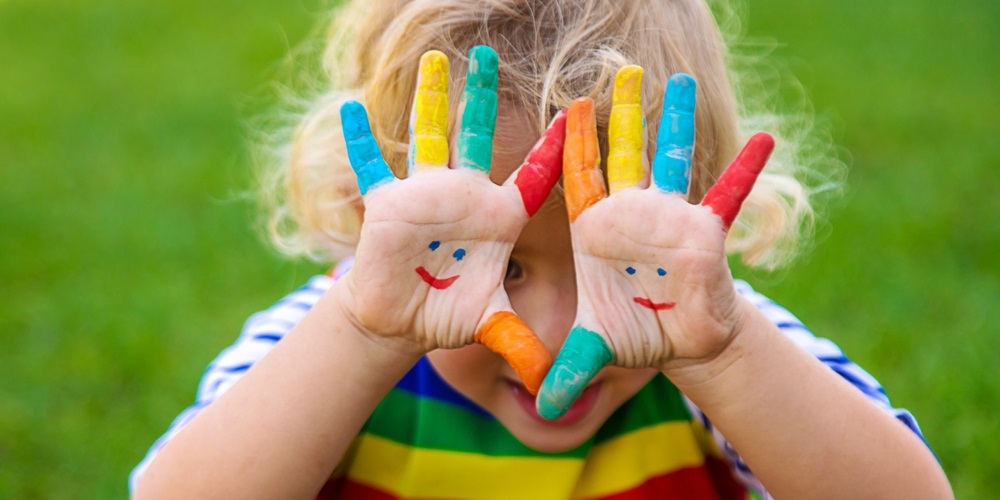
Tips to Help Young Children to Deal with Anxiety
- Provide a consistent and comforting bedtime or morning routine.
- Validate their feelings. Let your child know that it’s okay to feel anxious.
- Encourage activities that bring them peace, like reading a favorite book, drawing, or cuddling with a stuffed animal.
Tweens (7-12 Years)
By this age, children are better at articulating their feelings, but anxiety can still manifest in ways that are easily overlooked.
Hidden signs of anxiety:
- Avoiding certain places or activities they once enjoyed
- Frequent complaints of physical symptoms: stomachaches, headaches, or feeling tired all the time without any clear medical explanation
- Difficult to concentrate, memory issues, easily distracted, or have trouble focusing during tasks like homework or classwork
Tips to Help Tweens to Deal with Anxiety
- Encourage open conversations with open-ended questions like, “What’s been on your mind today?” or “How are you feeling about school?”
- Teach your child simple relaxation techniques, such as deep breathing, to help them calm their body and mind. You can practice this together as a fun activity.
Teens (13-17 Years)
Teenagers are often more private about their feelings, and anxiety can manifest in ways that are hard to spot.
Hidden signs of anxiety:
- Excessive worrying or overthinking. They may appear distracted or lost in thought
- Physical symptoms: stomachaches, headaches, or fatigue
- Avoiding responsibilities such as school projects or family gatherings
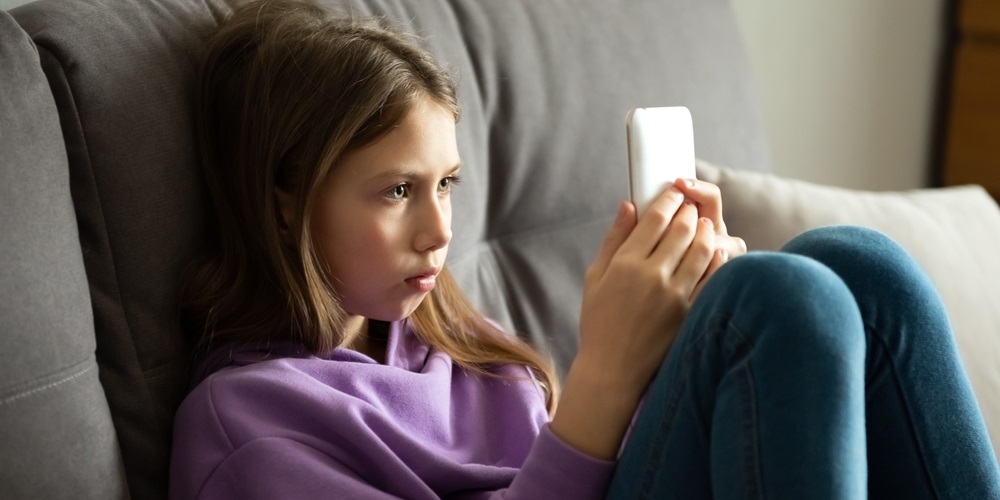
Tips to Help Teens to Deal with Anxiety
- Be available to talk, but let your teen take the lead. Sometimes simply saying, “I’m here if you want to talk” can open the door to a deeper conversation.
- Give them space to manage their stress in their own way. You can encourage healthy coping strategies like journaling, exercising, or pursuing hobbies that they find relaxing.
- Demonstrate how you manage stress and anxiety. If you model healthy coping strategies, your teen is more likely to adopt them as well.
Recognizing the less obvious signs of anxiety in children can be challenging, but it’s crucial for offering the right kind of support. By paying attention to changes in behavior, play, physical symptoms, and overall mood, you can help your kid navigate challenging times with the comfort of knowing they are supported.
If the signs persist or seem to worsen, don’t hesitate to seek professional support to help your child cope with their issues in a healthy way.
If you’re also looking for ways to manage stress in your own life, check out our article on How to Consume News Without Letting It Consume You: 7 tips for a balanced approach and discover stress-reducing activities in 12 Easy Activities to Do at Home, including dance parties for kids.