






A photo goes viral, everyone starts sharing it, and a few hours later people realise it was fake. AI-edited images and videos can spread misinformation, damage reputations, and create panic very quickly.
Manipulated content is getting much harder to spot with the naked eye, but a young UAE researcher may have found a solution.
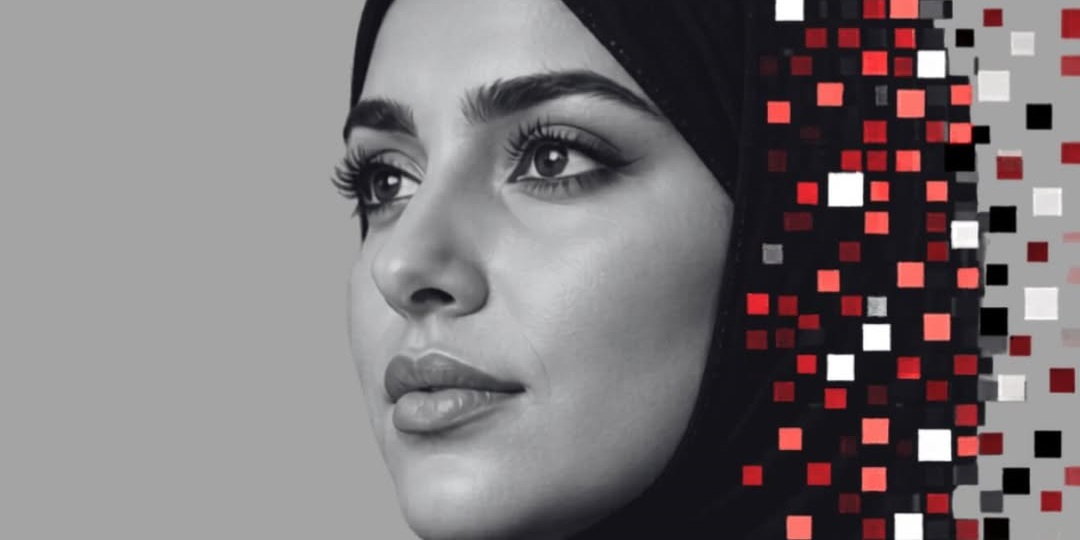
During her master’s studies at Zayed University, Bashayer Al Salami spent time researching digital threats and AI manipulation online. The research later turned into Deepy, a platform that checks uploaded photos, videos, and audio clips and tells users whether the content may have been artificially altered.
So here’s how Deepy works in simple words: the platform scans technical details hidden inside photos, videos, and audio files that people normally cannot notice while scrolling:
- unusual pixel patterns in images
- lighting or shadow inconsistencies
- distorted movement in videos
- irregularities in audio clips
- lip movements that do not fully match facial expressions
- subtle distortions between video frames
- digital traces left behind by AI image and audio generators

Al Salami said fabricated content has been spreading so fast, especially on social media where edited clips and fake visuals are reposted within minutes. Deepy allows journalists, organisations, and everyday users to check material before reacting to it or sharing it further.
You can learn more about the project and follow its updates on Deepy’s Instagram page.
Deepy’s aim is to support more responsible AI use in the UAE. Other AI creations in the country are also helping people in everyday life. You can read more about Rashid, the first AI employee at the UAE Ministry of Economy and Tourism, and Amal, the country’s first AI physician assistant.