








We’ve all had those moments when we feel like the news is draining us. But its constant presence in our lives demands attention and pulls us into its chaos. If you’ve ever felt like the headlines are taking more than they are giving, it’s time to set some boundaries, just like you would with a toxic person in your life.
Some information can feel like a heavy burden. But we have the ability to create space between ourselves and the overwhelming flow of current events. The goal isn’t to disconnect entirely but to find a healthy balance that allows you to stay informed while protecting your emotional well-being.
Here are 7 practical tips for managing your relationship with the news.
1. Curate Your Sources
Not all information published online is valuable or reliable. Choose a small number of trustworthy sources that prioritise verified facts over emotional language or dramatic framing. This way, you can minimize exposure to unverified or misleading content often driven by sensationalism.

2. Set Specific Times for News Consumption
News does not need to fill every quiet moment. Giving it a time slot prevents it from taking over your entire day.
Decide when you will check it, perhaps once in the morning and once later in the day, and stick to that boundary. There are many other meaningful things that deserve your attention: your family, work, hobbies, and even your rest.
3. Limit Social Media Scrolling
Social media is rarely designed for balanced information. It often amplifies emotions (strong reactions, outrage, fear) because it drives engagement. But emotion fueling more emotion is not the same as being informed.

If you notice that scrolling leaves you tense or unsettled, consider limiting your time or removing news from your social feeds altogether. If something truly important happens, you will hear about it through your chosen sources.
4. Avoid the News Right Before Bed
Your evening is your wind-down time. Reading headlines just before sleep can keep your nervous system activated when it should be slowing down. Protect your rest by replacing late-night news with something calming: reading, stretching, or quiet music.
Quality sleep is one of the strongest foundations of emotional resilience.

5. Create Phone-Free Times or Zones
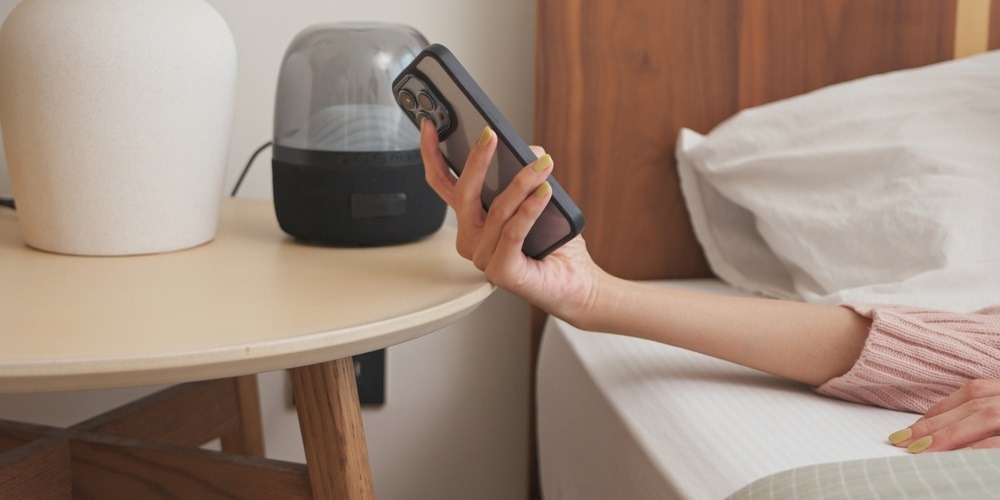
Constant access makes constant checking tempting. But even short pauses can feel surprisingly restorative. Create small boundaries: no phones at the dinner table, no scrolling in bed, or perhaps a short window in the evening when your phone is on airplane mode.
If you’re looking for ways to keep your hands off the phone and your mind off the headlines, check out these 12 activities to do at home: from Pilates and yoga to family dance nights.
6. Focus on What You Can Control
Control does not come from knowing everything. And global events are, by definition, bigger than any one person.
Instead of absorbing everything, redirect your energy toward what is within your reach: your daily actions, community, conversations, and values. Small, grounded actions restore a sense of steadiness and purpose.
7. Talk to Someone
Connection is one of the best antidotes to overwhelm. Spend time with people you trust. Talk about your day, plans, ideas, and good memories, not just headlines. Conversations remind you that your world is more than a news cycle.
By setting healthy boundaries with the information you consume, you can regain your peace of mind and emotional balance. Stay informed, but don’t let it control you. Try these steps to protect your well-being and create a healthier, more balanced relationship with the world around you.